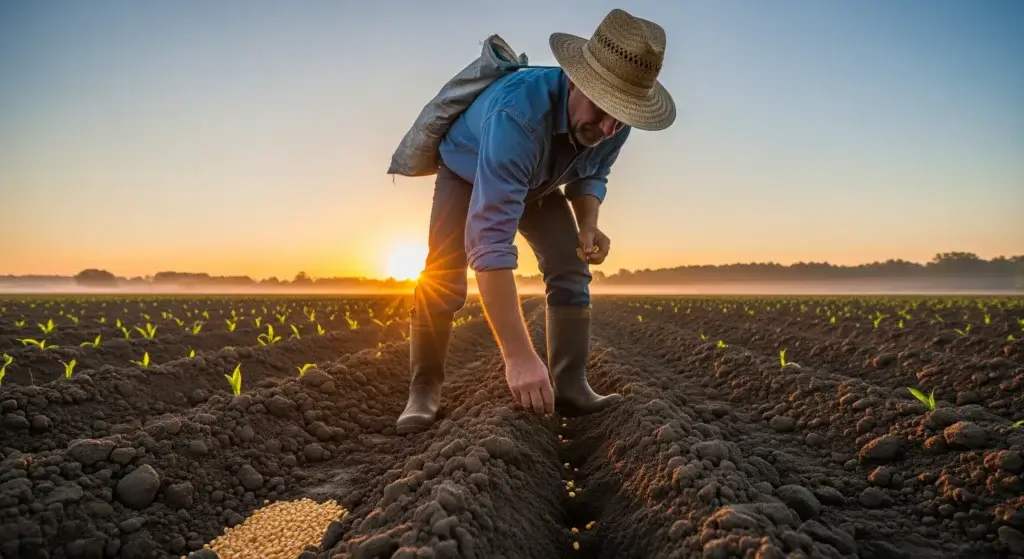
Determining the right soil temperature for planting corn is a make-or-break moment. Plant too early and you’re basically tossing seeds into cold mud and hoping for miracles. I’ve seen whole fields fail because someone got impatient. This guide boils it down so you don’t learn the hard way.
Understanding the Minimum Soil Temperature for Corn
Corn needs soil at 50°F at planting depth. That’s not farm folklore—it’s survival science. Below that, seeds suck up cold water fast, their cells freak out, membranes rupture, and boom: dead seed, sad field. Think of it like jumping into an ice bath without warning. Your body locks up. Corn does the same.
The Optimal Temperature Range
Sure, corn loves it warm—85–90°F is peak performance—but waiting that long is like waiting for “perfect vibes” before starting homework. You’ll miss the deadline. The real-world sweet spot is 50–65°F, measured at 2 inches deep, early morning, for a couple of steady days. That’s when corn wakes up ready to grow, not shiver.
- Read Also: The Ultimate Guide: Unveiling the Secret of Corn Plant Watering
- Read Also: Companion Planting Corn: Maximize Your Harvest
The 48-Hour Window: Why It Matters
Those first 48 hours after planting are corn’s danger zone. This isn’t being dramatic—it’s biology. I’ve watched fields look fine on day one and totally flop because a cold rain hit right after planting. That window is when seeds are gulping water and deciding whether to live or die.
During this critical window, if temperatures plummet or cold rains arrive, you risk several problems:
- Imbibitional chilling injury that kills the seed
- Delayed germination that extends exposure to diseases and pests
- Uneven emergence that reduces yield potential
- Increased vulnerability to seed rot
How to Measure Soil Temperature Correctly
If you guess soil temperature, you’re gambling with seeds—and seeds are not cheap snacks. I learned this the hard way, crouched in a field at sunrise with cold hands and a bruised ego.
Timing Your Measurements
Check soil temp at 6–7 a.m. That’s when it’s coldest. Midday warmth lies to you. If it’s 50°F or higher in the morning, you’re good all day.
Proper Depth and Technique
Measure at 2 inches deep, where the seed actually lives. No fancy tools needed—grab a meat thermometer, stick it in, wait a few seconds, read the truth.
Multiple Measurements
Don’t rely on a single reading. Soil temperatures can vary significantly across your fields due to factors like:
- Soil texture and color
- Drainage characteristics
- Amount of crop residue
- Aspect and slope
- Soil moisture content
Take readings from several locations, particularly in fields with varying soil types or different residue management practices.
The Growing Degree Days (GDD) Approach
Corn doesn’t own a calendar—it runs on heat points. It needs about 115 GDDs to pop out of the ground. That’s why planting early can feel like watching paint dry. Cool days mean slow math. To see corn emerge in about 10 days, soil temps need to average 61–62°F. Anything colder and you’re waiting weeks, not days. I’ve stared at bare rows way too long to argue with this.
Optimal Planting Depth for Different Conditions
Depth and temperature are best friends. Mess with one and the other claps back.
Standard Conditions
Moist soil? Plant 1.5–2 inches deep. That’s the sweet spot. Too shallow is riskier than a little deep—roots need room to anchor.
Dry Soil Conditions
Dry topsoil means you might push to 2.5–3 inches to find moisture. Just know deeper soil is colder, so emergence slows. You’re trading speed for survival.
Very Shallow Planting Problems
Planting less than 1.5 inches is asking for chaos: weak roots, floppy plants, herbicide damage, and drought stress. I’ve seen corn fall over like it fainted. Don’t do that to your crop.
Factors That Influence Soil Warming
Soil doesn’t warm evenly—it has favorites. I’ve planted one field in a hoodie and the next in a T-shirt. Same day, totally different vibes.
Residue Management
Heavy residue is like a blanket—great in winter, terrible in spring. Corn and soybean trash keep soil cold. Lighter residue warms faster. Plant cleaner fields first, use residue managers, and expect no-till ground to lag behind.
Soil Texture and Color
Sandy, light soils heat up fast. Dark, heavy clay soils stay cold and grumpy. Good drainage can add up to 4°F, which is huge. Drainage wins early planting battles.
Weather Forecasts
Never plant without checking the 6–10 day forecast. Cold rain after planting is a betrayal. If nasty weather is coming within 48 hours, wait. Patience beats replanting.
The Planting Date Dilemma: Early vs. Late
Too late hurts yields more than slightly early—but cold soil is still a trap.
Optimum Planting Windows
Planting a little early is safer than a little late. Yields usually hold through early May. After mid-May, they fall off fast.
Early Planting Advantages
Do it right and you win: higher yields, better moisture use, fewer pests, and time to replant if things go sideways.
Risks of Planting Too Early
Do it wrong and you pay: slow emergence, sick plants, uneven stands, chilling injury, and replant costs. I’ve lived both endings. Warm soil decides which one you get.
Regional Considerations
Corn doesn’t care about your calendar—it cares where you live. Geography sets the rules.
Northern Regions
Places like Wisconsin, Minnesota, and the Dakotas warm up late. Planting too early here is a classic heartbreak story: cold soil + spring rain = wiped-out stands. Patience isn’t optional.
Central Corn Belt
Iowa, Illinois, Indiana, Ohio—usually ready mid-April to early May, but every year plays mind games. Plant by soil temp, not vibes or tradition.
Southern Regions
Louisiana and parts of Texas can roll as early as mid-March, but spring storms can wreck young plants fast. Warm soil helps; wild weather still bites.
Stress Emergence and Hybrid Selection
Not all corn is built tough. Some hybrids handle cold stress like champs, others fold immediately. Seed ratings for stress emergence exist for a reason. If you’re planting early in sketchy conditions, cold-tolerant hybrids are cheap insurance. I’ve watched them save entire fields while weaker genetics tapped out.
Monitoring Tools and Resources
You don’t have to guess—use the tools. Extension maps and ag weather sites show soil temps in real time, which is clutch. Still, nothing beats sticking a thermometer in your field. I’ve seen two spots 100 yards apart act like different planets.
Troubleshooting Common Problems
Uneven Emergence
If you notice uneven emergence patterns, the likely culprits include:
- Variable soil temperatures across the field
- Inconsistent planting depth
- Differences in soil moisture
- Variations in residue cover
Delayed Emergence
When emergence takes longer than expected, assess whether:
- Soil temperatures remained consistently warm enough
- Cold rain or snow occurred after planting
- Planting depth was excessive for the soil temperature
- Soil crusting is preventing emergence
Poor Stands
Stand losses can result from multiple factors related to temperature:
- Imbibitional chilling injury
- Seed rot from prolonged cold, wet conditions
- Pest damage during extended germination period
- Diseases favored by cool, moist soil
Practical Recommendations for Success
Based on extensive research and farmer experience, follow these guidelines for optimal results:
- Wait for consistent 50°F or above soil temperatures at planting depth, measured early in the morning
- Confirm a 48-hour warm window before and after planting with weather forecasts
- Target 2-inch planting depth in most conditions, adjusting for moisture if necessary
- Never plant shallower than 1.5 inches regardless of conditions
- Plant fields with better drainage and less residue first to take advantage of earlier soil warming
- Use cold-tolerant hybrids when planting into borderline conditions
- Monitor emergence closely to identify any problems early
- Be prepared to replant if stands are compromised by cold stress
Conclusion: Patience Pays
Spring messes with your head. Neighbors roll early, the sun’s out, and suddenly patience feels illegal. Don’t fall for it. Planting cold soil is how you burn money quietly. Corn doesn’t care who started first—it cares who planted smart. Wait a few days, hit the right soil temps, and you get faster emergence, even stands, and better yields. That wait is boring now and glorious at harvest.