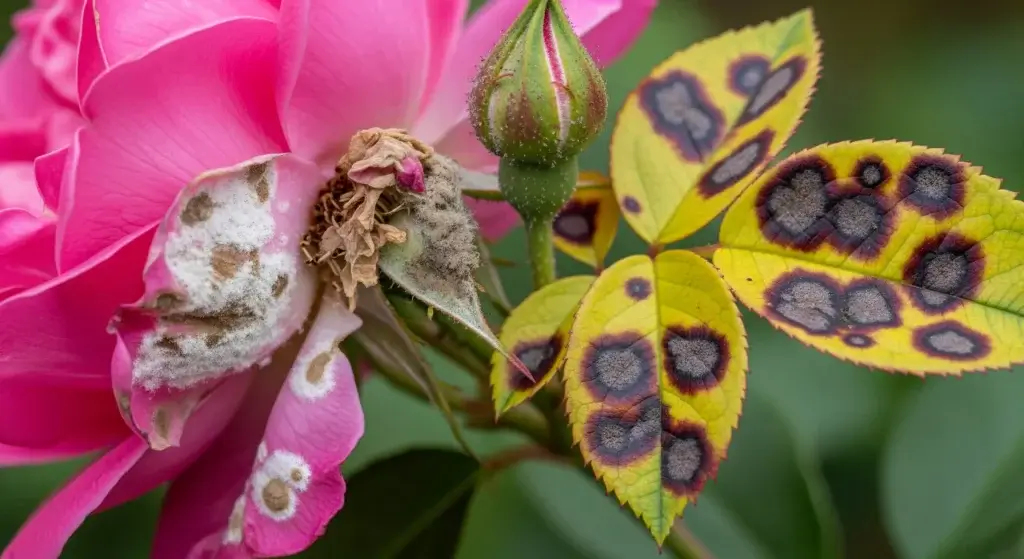
If your onion leaves look like they’ve been attacked by glittery sandpaper and you spot tiny bugs zooming around, congrats—you’ve met onion thrips.
These little jerks are microscopic, but they can absolutely wreck your onions, garlic, and leeks if you ignore them. I’ve seen a whole onion bed go from “future salsa” to “sad noodles” real fast.
The good news? You don’t need toxic chemicals to fight back. Natural methods do work, and they work well.
Understanding Onion Thrips: Know Your Enemy
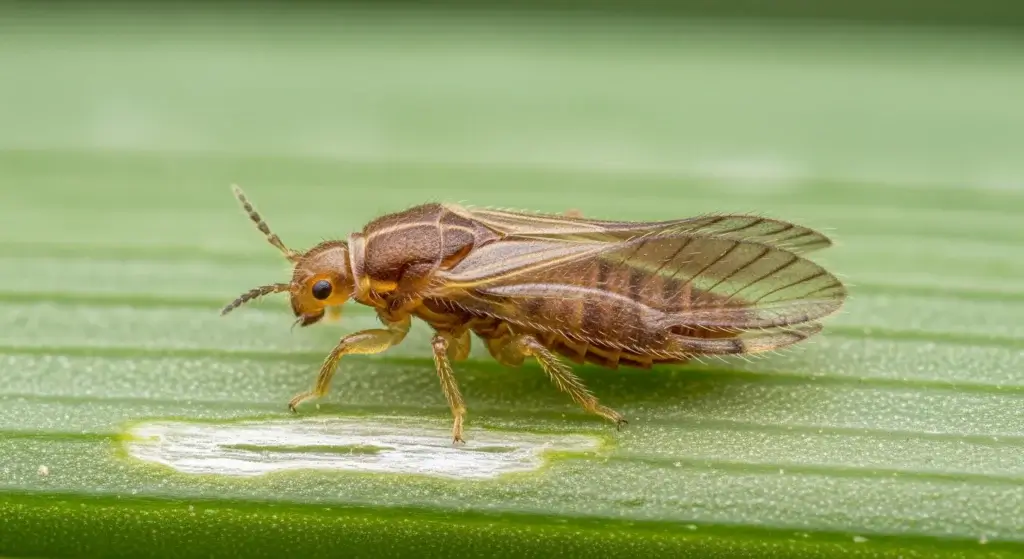
Onion thrips are tiny—like 1–2 mm tiny—so small you’ll probably miss them at first.
They’re pale yellow to brown and move fast, which makes them annoying and sneaky. But here’s the scary part: they multiply like crazy. One female can lay up to 100 eggs, and in warm weather, a whole new generation can show up in about two weeks.
That’s how a “meh, it’s fine” problem turns into a garden disaster.
They damage plants by stabbing the leaves and sucking the juice out (rude). This leaves behind silvery streaks, curled leaves, and weak plants.
If thrips really take over, your onion harvest can shrink by half. Yeah—30 to 60% gone. That’s why stopping them early isn’t optional. It’s survival.
Recognizing the Signs of Onion Thrips Infestation
Early detection is your first line of defense against onion thrips. Here are the telltale signs that these pests have invaded your garden:
Visual symptoms on plants:
- Silvery or whitish streaks and blotches on leaves
- Distorted, twisted, or curled foliage
- Stunted plant growth and reduced vigor
- Premature leaf dieback starting from the tips
- Reduced bulb size and quality
Identifying the insects themselves:
- Tiny, slender insects visible when you shake plants over white paper
- Movement of small, elongated insects on leaf surfaces
- Presence of dark fecal spots on leaves
- Larvae appearing as translucent, yellowish nymphs
Regular monitoring is crucial.
Check your plants at least twice weekly during the growing season, paying special attention to the base of leaves where thrips tend to congregate.
Using a magnifying glass or hand lens can help you spot these tiny invaders before populations reach damaging levels.
Natural Prevention: Your First Line of Defense
If you want to beat onion thrips, don’t wait until they throw a party on your plants. The real win happens before they show up.
Think of this like locking your doors instead of chasing a thief around the house later.
Crop Rotation and Garden Planning
Thrips are lazy. They love when you plant onions in the same spot every year. Don’t do them that favor.
Rotate your crops and keep onions, garlic, and leeks out of the same bed for at least three years. I know it sounds dramatic, but this one move alone can shut down their entire life cycle.
Choosing Resistant Varieties
No onion is invincible, but some are way tougher than others. Onions with waxy, upright leaves are harder for thrips to mess with.
Red onions, in particular, tend to handle damage better—kind of like the gym bros of the onion world.
Optimal Planting Practices
Timing is everything. Plant early so your onions get big and strong before thrips numbers explode.
Strong plants fight back better. Also, don’t cram your onions together like it’s a concert. Give them space.
Better airflow makes thrips uncomfortable and helps you spot trouble before it gets out of hand.
Soil and Plant Health
Strong plants are naturally more resistant to pest damage. Focus on building healthy soil through these practices:
- Add well-aged compost to improve soil structure and fertility
- Maintain consistent moisture levels through mulching and regular watering
- Avoid excessive nitrogen fertilization, which produces succulent growth that attracts thrips
- Test soil pH and adjust to the optimal range of 6.0-7.0 for alliums
Effective Natural Control Methods
When prevention alone isn’t enough, these natural control strategies can help you manage onion thrips without resorting to synthetic pesticides.
Water Sprays and Physical Removal
Blast ‘em off. A strong hose spray aimed under leaves knocks thrips loose — do it every 2–3 days during an outbreak and in the morning so plants dry by night.
It won’t nukes every bug, but I’ve seen sad onion patches bounce back after steady hose-duty.
Beneficial Insects: Nature’s Pest Control Team
Introducing or encouraging beneficial insects is one of the most sustainable long-term solutions for thrips management.
Several natural predators actively hunt and consume thrips at various life stages:
- Predatory mites such as Amblyseius cucumeris and Neoseiulus cucumeris are particularly effective against thrips larvae.
- Lacewing larvae are voracious predators that consume large numbers of thrips, aphids, and other soft-bodied pests.
- Minute pirate bugs (Orius species) are excellent thrips predators that naturally occur in many gardens.
Insecticidal Soaps and Horticultural Oils
Insecticidal soaps and horticultural oils offer effective, low-toxicity options for thrips control.
These products work by disrupting the insects’ cell membranes, causing dehydration and death. They’re particularly useful because they break down quickly, leaving no harmful residues.
Application guidelines:
- Apply in early morning or late evening to minimize plant stress and maximize contact with pests
- Ensure thorough coverage, especially on undersides of leaves where thrips congregate
- Repeat applications every 5-7 days as needed, as these products have no residual activity
- Avoid spraying during hot, sunny conditions or when plants are drought-stressed
Research published by the University of Minnesota Extension indicates that insecticidal soaps can reduce thrips populations by 50-70% when applied consistently during early infestations.
Neem Oil: A Multi-Purpose Solution
Neem oil, derived from the seeds of the neem tree (Azadirachta indica), serves as both an insecticide and a repellent.
Its active compound, azadirachtin, disrupts insect growth and reproduction while also deterring feeding.
To use neem oil effectively:
- Mix according to label directions, typically 2-4 tablespoons per gallon of water
- Add a small amount of liquid soap to help the oil emulsify
- Spray thoroughly, covering all plant surfaces
- Apply every 7-14 days during active infestations
- Store properly and use fresh solutions, as neem oil degrades over time
Spinosad: A Natural Bacterial Insecticide
Spinosad sounds scary, but it’s basically a good bacteria doing the dirty work for you.
It’s organic-approved, breaks down fast, and absolutely wrecks thrips. Spray it in the evening so you don’t mess with helpful bugs, and boom—it works when thrips touch it or eat it. Science with a glow-up.
Diatomaceous Earth Applications
Diatomaceous earth is like broken glass for bugs (tiny bugs, calm down). It scratches their bodies so they dry out and die.
Use food-grade only, and dust it lightly around the base of plants and lower leaves. It’s not a solo hero, but as backup? Solid.
For best results:
- Apply in dry conditions, as moisture reduces effectiveness
- Wear a dust mask during application to avoid inhaling particles
- Reapply after rain or heavy dew
- Focus applications on areas where thrips are most abundant
Cultural Practices That Reduce Thrips Pressure
Thrips love chaos. Your job? Make your garden boring and uncomfortable for them while your onions thrive.
Mulching Strategies
Shiny mulches (silver or aluminum) mess with thrips’ tiny brains and keep them from finding your plants—especially early in the season.
Organic mulches like straw also help by keeping soil happy and giving predator bugs a place to live.
Weed Management
Weeds are basically thrips Airbnb. Yank them out, especially wild onions and related plants, or you’re just hosting the enemy.
Irrigation Management
Water your onions consistently so they don’t get stressed and weak. Drip irrigation is best.
Morning overhead watering can knock thrips off, but watering at night? Hard no—hello fungus.
Trap Crops and Companion Planting
Use decoy plants like early onions or chives around the edges to lure thrips away, then deal with them there.
Herbs like rosemary and thyme might help a little, but even if they don’t, they boost good bugs and make your garden smell elite.
Monitoring and Timing Your Interventions
Success in managing onion thrips requires vigilant monitoring and timely action. Implement these monitoring strategies:
- Sticky trap monitoring: Place blue or yellow sticky cards at plant height throughout your onion beds.
- Visual inspection: Examine at least 10 plants per 100 square feet of planting area twice weekly. Look for both damage symptoms and the insects themselves.
- Shake tests: Hold white paper under leaves and tap or shake plants vigorously. Dislodged thrips will be visible as tiny moving specks on the paper.
- Action thresholds: Begin treatment when you find an average of one or more thrips per plant during early growth stages, or when damage symptoms become visible on more than 10% of plants.
Integrating Multiple Strategies for Maximum Success
The most successful natural thrips management programs integrate multiple approaches rather than relying on a single method. This integrated pest management (IPM) approach combines prevention, monitoring, and multiple control tactics to maintain thrips populations below damaging levels while minimizing environmental impact.
A comprehensive strategy might include:
- Starting with resistant varieties and proper cultural practices
- Regular monitoring to detect problems early
- Early-season water sprays to suppress initial populations
- Releases of beneficial insects to establish biological control
- Targeted applications of insecticidal soap or neem oil when populations exceed thresholds
- Continued monitoring to assess treatment effectiveness and determine if additional interventions are needed
Conclusion: Winning the Battle Against Onion Thrips Naturally
Beating onion thrips without harsh chemicals is totally doable—you just need patience and a game plan.
Learn how thrips think, stop them early with smart garden habits, invite helpful bugs, and only level up to stronger natural controls when things get serious.
This isn’t about wiping thrips off the planet (nice try). It’s about keeping them in check.
Start with prevention, keep an eye on your plants, knock numbers down with water sprays and predators, and save the heavier stuff for real outbreaks.