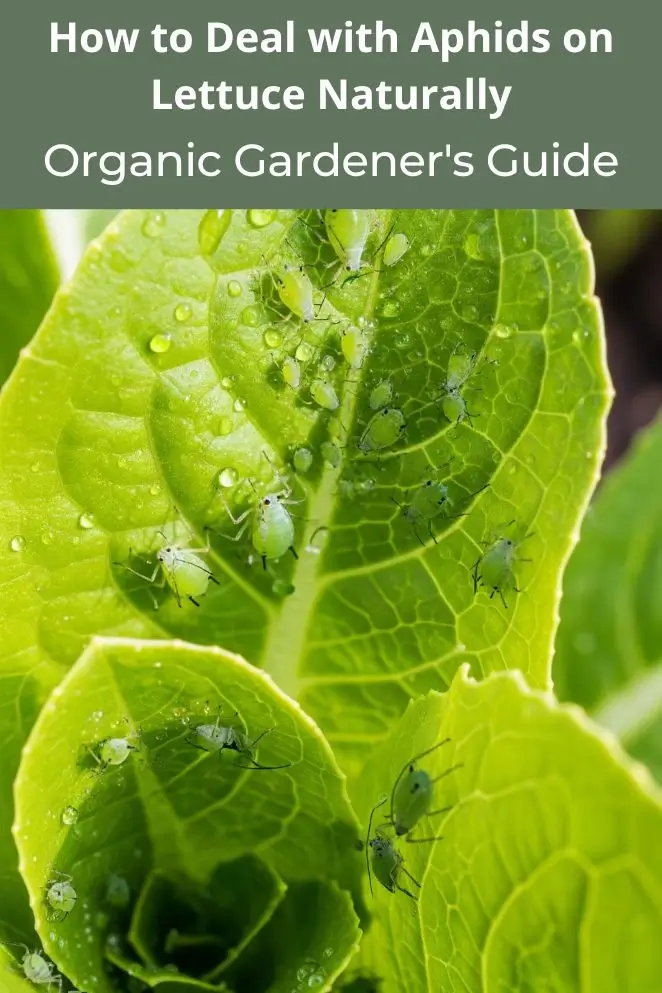
Those who have seen tiny, squishy bugs crawling onto their lettuce may be mistaken for aphids.
Their actions result in the death of leaves, the transmission of plant pathogens and the gathering of additional pests.
There is a silver lining in the victory: resisting is possible without harsh chemicals.’
You can keep your lettuce fresh without damaging the environment by using some natural, intelligent techniques to eliminate aphids and preserve your garden.
Effective Organic Aphid Control Methods
1. Water Spray Treatment
Sometimes the easiest fix is the best. Grab your garden hose and blast those freeloaders right off your lettuce.
Aphids are tiny and weak — a strong stream of water is like a tornado to them.
Do it in the morning so your plants have time to dry before nightfall.
How to apply:
- Set the hose nozzle to a sharp, focused stream
- Spray from under the leaves upward (that’s where they love to hide)
- Nail those aphid clusters directly
- Repeat every 2–3 days until they’re gone
2. Insecticidal Soap Solution
Think of this as the “bubble bath of doom” for aphids.
A simple soap spray messes with their skin and basically suffocates them, but it’s safe for your lettuce.
DIY Recipe:
- 2 tablespoons mild liquid dish soap (not harsh detergent)
- 1 quart lukewarm water
- Optional: 1 tablespoon vegetable oil to help it stick
Mix it up, spray on the leaves during the cooler hours, and reapply every 3–5 days. Aphids won’t know what hit them.
3. Neem Oil Treatment
Neem oil is like kryptonite for aphids. It confuses their feeding and breeding so they basically give up on life.
Bonus: it doesn’t hurt your good bugs if you use it right.
Application guidelines:
- Only use pure, cold-pressed neem oil
- Mix 2 teaspoons per quart of water
- Add a few drops of mild soap to help it blend
- Spray early morning or late evening so you don’t fry your plants
- Reapply every 7–10 days for best results
4. Essential Oil Repellents
Aphids hate certain smells. Peppermint, rosemary, thyme — all of these essential oils act like a “keep out” sign.
Essential oil spray recipe:
- 10–15 drops of your chosen essential oil
- 2 tablespoons carrier oil (like veggie or olive oil)
- 1 quart water
- 1 teaspoon mild soap
Spray it on, and remember to reapply after heavy rain or watering. Your garden will smell amazing, and the aphids will move out.
Beneficial Insects: Nature’s Pest Control Army
Want a bug squad that fights for you? Encourage beneficial insects, and you’ll have a built-in aphid defense system.
These predators keep the balance without you lifting a finger.
Key Beneficial Insects for Aphid Control
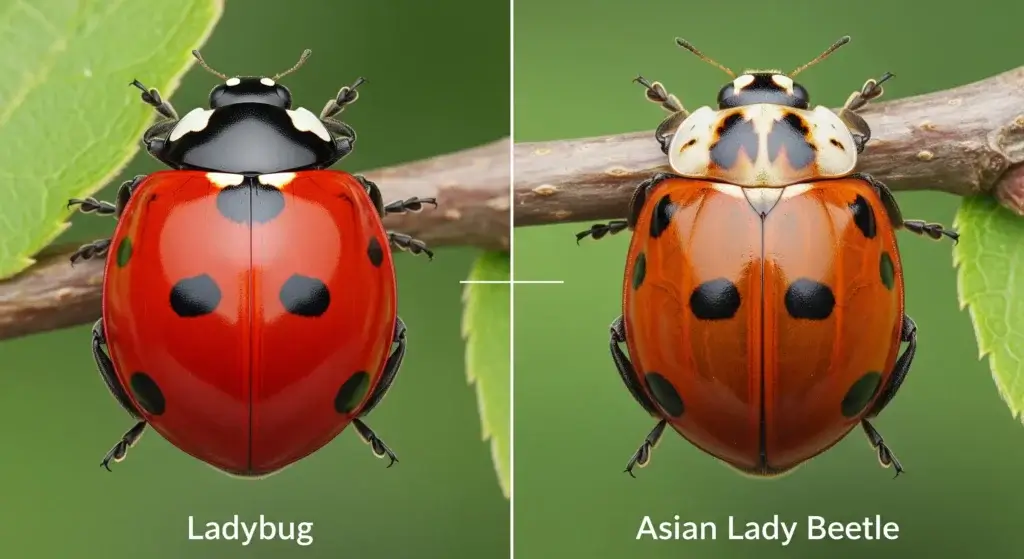
- Ladybugs: The classic garden heroes. An adult can scarf down 50 aphids a day, and their larvae are even hungrier — think “tiny vacuum cleaners with legs.”
- Lacewings: Their larvae are called “aphid lions” for a reason. One can tear through up to 200 aphids in a week. Savage.
- Parasitic wasps: Microscopic assassins. They lay eggs inside aphids, and when the babies hatch… well, let’s just say the aphid doesn’t make it.
- Syrphid flies (hover flies): Their larvae live for one thing: eating aphids. Soft-bodied pests are basically their all-you-can-eat buffet.
Attracting Beneficial Insects
If you want this bug army to move in, roll out the welcome mat:
- Plant flowers like yarrow, dill, and fennel — they’re basically insect magnets.
- Add shallow water spots (think tiny bug watering holes).
- Ditch broad pesticides — they wipe out your allies too.
- Keep a few “wild” corners in your garden for shelter.
- Set up insect houses so they’ve got a place to crash.
Companion Planting: Strategic Garden Design
Think of companion planting like picking the right squad for your garden — some plants naturally repel aphids, while others lure in predators to do the dirty work.
Put them together, and your lettuce stands a way better chance of thriving.
Effective Companion Plants for Lettuce
- Aromatic herbs: Basil, oregano, and cilantro don’t just taste great — their strong smells confuse and repel aphids. It’s like natural bug repellent built into your salad.
- Alliums: Chives, green onions, and garlic produce chemical warnings hated by aphids. That is, they’re the garlic bread of pest control.
- Catnip: It’s a feline frenzy, yet aphids go the opposite direction. Nepetalactone (the magical chemical inside) is stronger than much of the spray on sale.
- Marigolds: These bright flowers aren’t just pretty — their natural compounds freak out aphids and other pests. It’s like garden armor in flower form.
- Nasturtiums: Aphids flock to them instead of your lettuce, and since nasturtiums are easier to treat, you can trap-and-zap the pests without touching your crops.
Physical Barriers and Environmental Controls
Row Covers
Think of row covers as bug-resistant hoodies for your lettuce.
Lightweight material is used to keep aphids away while also allowing sunlight, air and water.
Apply them immediately after transplanting and only remove when harvesting.
Reflective Mulches
Aphids rely on spotting plants visually, so trick them with reflective mulch.
Aluminum foil or shiny plastic messes with their “GPS,” making it harder for them to find your lettuce. Best used early in the season before aphid squads get too big.
Optimal Growing Conditions
Strong plants fight off pests better than weak ones. Keep your lettuce healthy by giving it:
- Steady water (not too dry, not swampy)
- Soil that drains well and is packed with nutrients
- Good airflow so leaves don’t stay damp and gross
- Enough space between plants so they’re not crammed like a crowded concert pit
Prevention Strategies for Long-term Success
Garden Hygiene Practices
A clean garden = fewer aphid headaches. Stay on top of:
- Clearing out dead leaves and plant junk before it turns into bug condos
- Pulling weeds (aphids love to hide in them)
- Rotating crops each year so pests don’t get comfy in one spot
- Wiping down your tools — don’t spread pests like you’re passing notes in class
- Double-checking new plants before you bring them into your garden crew
Soil Health Management
Strong soil makes strong plants, and strong plants don’t roll over for pests. Keep it solid by:
- Adding organic compost often (think of it like protein shakes for your soil)
- Keeping pH between 6.0–7.0 for lettuce — their sweet spot
- Making sure your soil drains well (no one likes soggy feet, not even plants)
- Testing and adjusting nutrients so your soil stays balanced
Regular Monitoring
Don’t wait until it’s too late — scout your garden every week like a detective:
- Flip leaves and check underneath, since aphids love to hide there
- Watch for ants hanging around — they’re basically aphid bodyguards
- Pay attention to how your plants look and grow
- Keep a garden journal so you can spot patterns, like “aphids always hit in June” and get ahead of them next time
Troubleshooting Common Challenges
When Natural Methods Seem Ineffective
Sometimes, even when you’re doing everything “right,” aphids still party on your lettuce. Don’t panic — check for these slip-ups:
- You might be hitting them at the wrong time (aphids reproduce fast, so timing is everything).
- Maybe your spray or treatment didn’t cover all the nooks and crannies (aphids hide better than your snacks from your siblings).
- The weather could be giving them an advantage — warm, calm days = aphid baby boom.
- Or your garden might not have enough backup from beneficial insects yet.
Balancing Treatment Intensity
It’s tempting to go all-in, but blasting your plants nonstop (even with natural stuff) can backfire:
- Lettuce can get stressed out and look sad.
- Your helpful bugs might take the hit too.
- Aphids can start adapting like villains in a video game — tougher every round.
- Plus, you’ll just waste time and energy better spent chilling or planting more crops.
Conclusion: Building a Sustainable Aphid Management System
Conquering aphids organically isn’t magic trick number one with a wand — it’s mixing short-term solutions with long-term gambits.
It’s like a level-up in a video game: start with basics like soap or water sprays, then progress to pro moves like companion plants and creating bug-friendly hotspots.
Natural pest control isn’t a one-and-done thing.
You’ve gotta stay consistent with checking your plants, treating when needed, and keeping your garden healthy.
The payoff? Stronger lettuce, fewer chemicals, and a garden that basically runs itself with nature’s help.