Roses are legendary—gorgeous, dramatic, and a little high-maintenance. I’ve watched perfect blooms go from “wow” to “yikes” in a week thanks to fungus. And it’s not rare. About 80% of rose problems come from fungal diseases, which means if you grow roses, you will deal with this.
The good news? Once you know what to look for and how fungus works, you can shut it down before it wrecks your garden.
Understanding Why Roses Are Vulnerable to Fungal Infections
Roses get fungus because they basically create the perfect hangout spot for it.
Thick leaves trap moisture, airflow gets lazy, and boom—fungal party. Add warm, humid weather and leaves that stay wet too long, and spores wake up like villains in a movie montage.
A lot of roses were bred to look stunning, not to fight disease, so they’re extra defenseless.
Fungi spread through water, wind, and even dirty tools, so once they show up, they move fast. Think of it like glitter—once it’s there, it’s everywhere.
- Read Also: Tiny Terror: A Guide to Aphid Control on Your Roses
- Read Also: Blooms Without Bugs: Natural Pesticides for Your Roses
The Most Common Fungal Diseases Affecting Roses
Black Spot (Diplocarpon rosae)
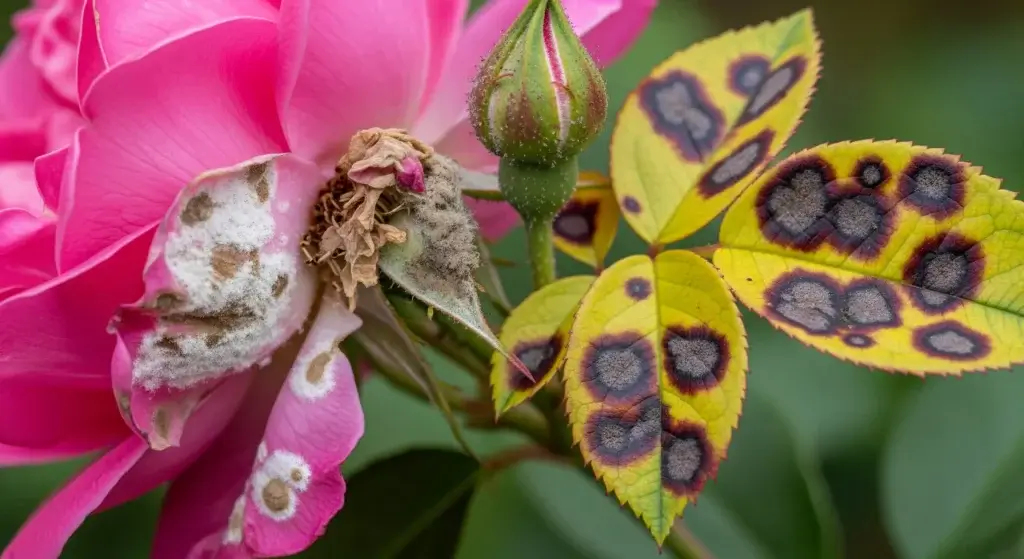
This one is the villain you’ll meet first. Black spot shows up as dark, ugly spots on leaves, then the leaves turn yellow and fall off like the rose just gave up on life. I’ve seen a bush go bald in weeks.
It loves warm, wet weather and hangs out on fallen leaves, waiting for spring to start drama again.
Powdery Mildew (Podosphaera pannosa)
Looks like someone dusted your rose with flour. Powdery mildew doesn’t even need wet leaves—just humid air and moody weather.
Leaves twist, buds struggle to open, and the plant gets weaker fast. It spreads through the air, so once it shows up, it’s not shy.
Rust (Phragmidium species)
Rust is loud. Bright orange spots on the underside of leaves, like your rose caught a bad rash. It loves cool nights and dewy mornings. If ignored, it can strip leaves completely, which makes roses way less ready for winter.
Botrytis Blight (Botrytis cinerea)
Also called gray mold, and yeah—it’s as gross as it sounds. Flowers and buds get fuzzy and rot before they even bloom. This one thrives in cool, wet, crowded conditions. Dead leaves are basically its favorite snack, so cleanup really matters.
Downy Mildew (Peronospora sparsa)
Downy mildew is sneaky. Purple or reddish blotches on leaves, fuzzy stuff underneath, and then—leaf drop. Fast. It loves cool, wet conditions and can spread through roses like gossip in a group chat, especially in greenhouses.
Prevention Strategies: Your First Line of Defense
Here’s the truth: stopping fungus before it starts is way easier than playing plant doctor later.
Do this right, and you can dodge most rose diseases entirely. Think of prevention like giving your roses a shield instead of waiting for them to get punched.
Choose Disease-Resistant Varieties
Start smart. Some roses are just built different. Varieties like Knock Out and Carefree Beauty are basically the athletes of the rose world—strong, tough, and way less dramatic. Choosing resistant roses saves you tons of work later.
Optimize Planting Location and Spacing
Roses love sun and airflow. Cramped, shady spots turn into fungus gyms. Give them space, give them light, and they’ll dry off faster after rain. If your roses can breathe, fungus struggles to survive.
Implement Proper Watering Techniques
Never shower your roses from above like they’re at a spa. Water the soil, not the leaves. Morning watering is clutch—it lets everything dry before nightfall, which fungus absolutely hates.
Maintain Garden Sanitation
Dead leaves are fungus hotels. Clean them up. Prune sick parts, toss them out, and wipe your tools between cuts. It feels extra, but it works. Fall cleanup is especially important or you’ll be dealing with the same mess next spring.
Apply Mulch Appropriately
Mulch is your splash shield. It stops gross soil spores from jumping onto leaves when it rains. Just don’t pile it against the stem—roses like protection, not suffocation.
Treatment Options: Managing Active Infections
Sometimes fungus slips through anyway. When that happens, speed matters. The faster you act, the less your roses suffer. Waiting it out is how a small problem turns into a full-blown plant meltdown.
Organic Treatment Methods
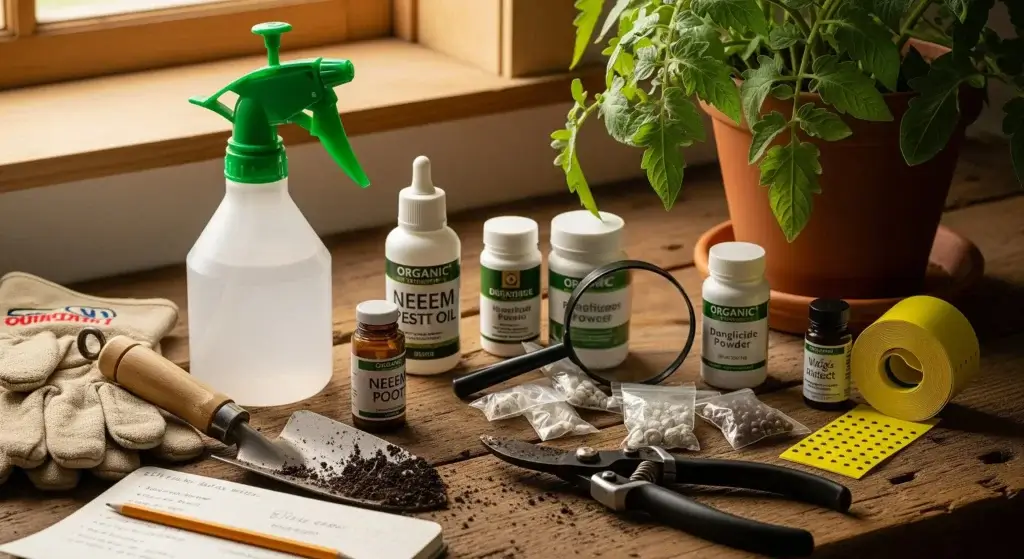
If you like keeping things natural, you’ve got solid options. Neem oil is a classic—it messes with fungus at a cellular level and stops it from spreading.
Spray it regularly and don’t miss the undersides of leaves. Sulfur sprays are old-school but effective, especially for powdery mildew and rust—just don’t use them in extreme heat or you’ll roast your plant.
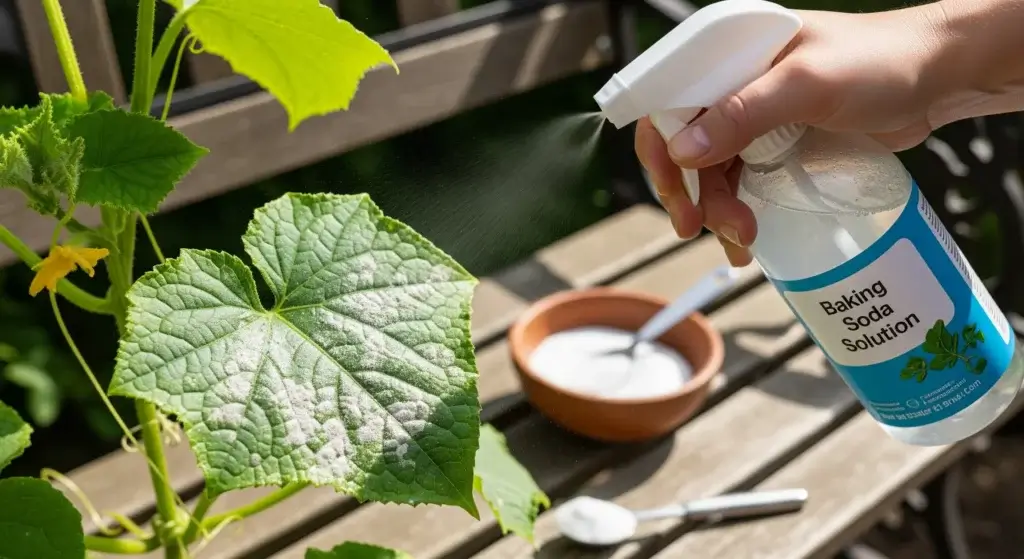
Potassium bicarbonate is like flipping the pH table on fungus; catch the infection early and it can shut it down hard.
Conventional Fungicide Applications
When things get serious, modern fungicides bring the big guns. Systemic fungicides get inside the plant and protect it from the inside out for weeks.
Contact fungicides stay on the leaf surface and kill fungus on contact, but you’ll need to reapply often, especially after rain. Rotate products or the fungus will adapt and clap back.
Cultural Control Measures
Treatments work better when you help them out. Cut off badly infected leaves, thin crowded growth, and let air and light in. Think of it as cleaning your room before trying to find something—you’re giving your roses a fighting chance to recover and thrive again.
Seasonal Management Calendar for Optimal Rose Health
Roses need attention all year, not just when they’re blooming and flexing. In spring, hit them early—dormant oil before buds wake up wipes out leftover fungus from last year. As leaves show up, start preventative sprays, especially when rain won’t quit.
Summer is all about staying alert. Check your roses weekly like you’re scrolling notifications—catch problems early and keep treatments going during humid spells. Fall is cleanup season: strip away leaves, trash debris, and do one last treatment before frost.
Winter is chill time—prune sick wood and plan upgrades for next year.
- Read Also: Fungal Diseases in Chilli: A Guide to Prevention and Treatment
- Read Also: Fungal Disease in Grass: Prevention, Identification, and Treatment
Conclusion: Cultivating Healthy, Beautiful Roses
Healthy roses aren’t about luck—they’re about strategy. You stack the odds by choosing tough varieties, giving them good airflow and sunlight, keeping things clean, and jumping on problems fast. No single trick saves the day. It’s a combo move, adjusted to your climate and garden vibes.
Stay consistent, keep learning, and your roses will show up every season looking iconic instead of tragic.