Growing corn isn’t just “plant it and pray.” Corn is kinda like that one friend who thrives when they sit next to the right people in class. Gardeners figured this out ages ago: pair corn with the right plant buddies, and suddenly your garden turns into a drama-free, pest-resistant, glow-up zone.
Whether you’ve been gardening forever or you’re just starting out, learning which plants help corn and which totally sabotage it will level up your harvest fast.
Understanding the Basics of Companion Planting
Companion planting is basically the gardening version of choosing your group project partners wisely. Some plants boost each other’s grades; others drag everyone down. When corn grows with plants that hype it up—like nitrogen-fixers or bug-repellers—you end up with a mini ecosystem that practically runs itself. Less drama, fewer chemicals, and waaay more food from the same space. It’s nature doing that “teamwork makes the dream work” thing, but for real.
- Read Also: The Ultimate Guide: Unveiling the Secret of Corn Plant Watering
- Read Also: Unexpected Allies: Best Companion Planting for Your Tomatoes
The Three Sisters: The Ultimate Corn Companion Planting System
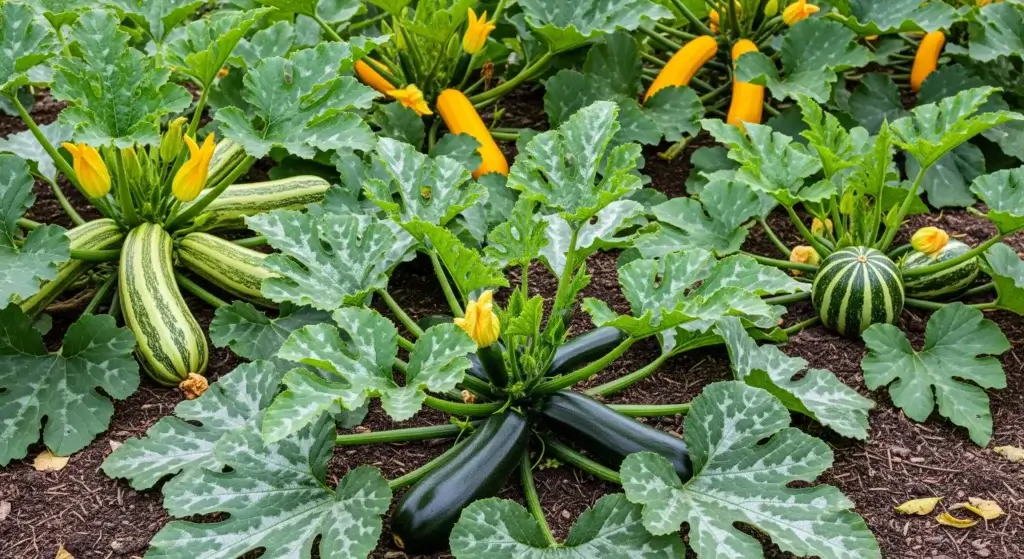
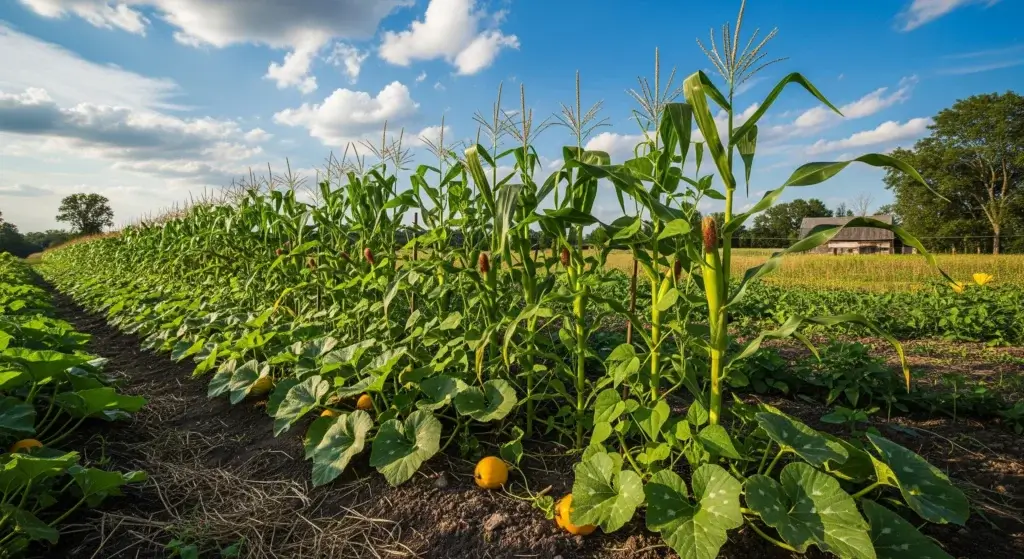
The Three Sisters is the OG plant squad—corn, beans, and squash—perfected by Indigenous growers long before gardening influencers existed. Each plant plays its role like they rehearsed it. Corn stands tall so beans can climb it like a living ladder. Beans pay rent by fixing nitrogen in the soil, which corn devours. Squash sprawls across the ground like a protective, leafy blanket, blocking weeds and keeping the soil chill. Studies even show this trio produces way more food together than if they lived alone. To try it yourself, plant corn first, let it hit that six-inch growth spurt, then invite beans and squash to the party. The harmony comes built-in.
Best Companion Plants for Corn
Corn isn’t out here trying to survive solo—it loves a good squad. Plenty of plants vibe perfectly with it, each bringing their own perks to the garden. Think of it like assembling an Avengers team, but everyone’s superpower is “making corn thrive.”
Cucumbers
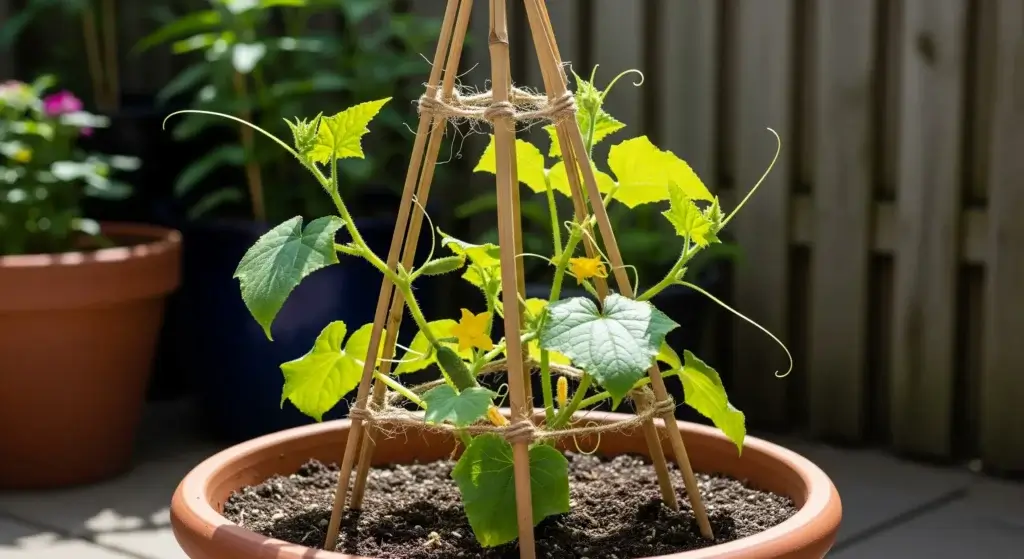
Cucumbers are like the chill friend who flops on the couch and somehow makes the whole room feel cooler. Their vines spread across the soil, locking in moisture and blocking weeds like they’re guarding a VIP section. Plus, their roots stay shallow, so they’re not stealing corn’s snacks—aka nutrients.
Peas
Peas are the early risers of the garden. While corn is still stretching and waking up, peas are already fixing nitrogen into the soil, basically delivering breakfast in bed. By the time the peas retire for the season, they leave behind nitrogen-rich leftovers that corn absolutely devours.
Sunflowers
Sunflowers are the hype crew. Tall, bright, and always facing the sun like they’re posing for photos, they attract all the “good guy” insects—pollinators and predators that keep pests in check. Stick them around the edges of your corn patch so they don’t shade out the rest of your plant party.
Melons
Melons—watermelons, cantaloupe, all the sweet, juicy legends—make top-tier companions. Their leafy sprawl covers the ground like a weighted blanket, keeping moisture in and weeds out. And because their roots dig in at different depths than corn, they don’t end up fighting over resources.
Radishes
Radishes work fast, like that kid who finishes homework before the teacher even hands out instructions. They pop up early, loosen compacted soil, and help you see where your corn rows are going to be. Then they’re ready to harvest before corn even notices, freeing up space without fuss.
Marigolds
Marigolds are the bodyguards of the garden. They smell amazing to us but gross to pests like aphids and Japanese beetles. Planting them around your corn is basically putting up a neon sign that says, “Bugs, keep walking.” Their bright blooms also keep the whole garden looking cheerful while doing real pest-control work.
ChatGPT said:
Plants to Avoid Near Corn
Corn may love having friends, but it definitely has a “do not invite” list. Some plants hog resources like that kid who takes all the snacks at a party, while others drag in pests like they brought trouble as a plus-one.
Tomatoes
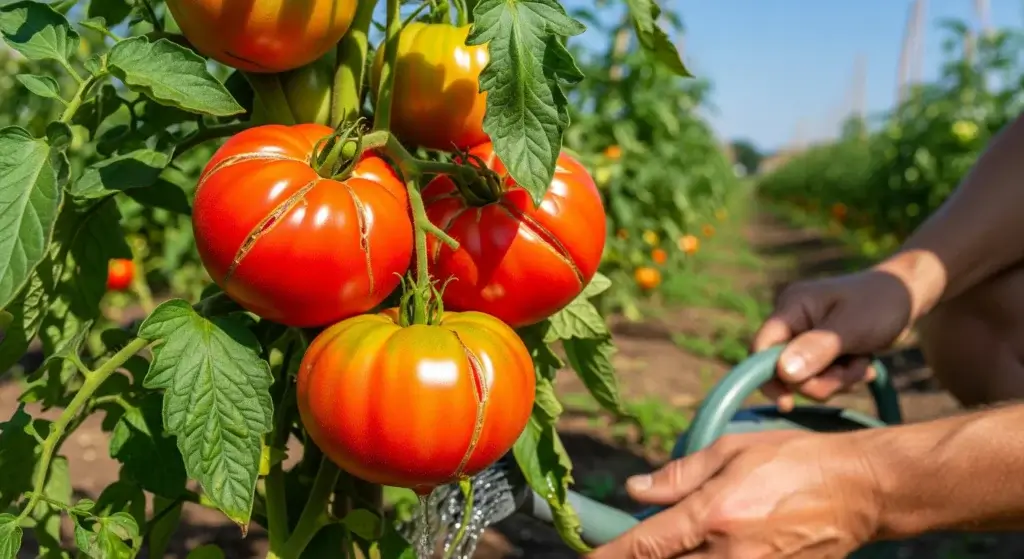
Keep tomatoes far away unless you want chaos. Corn and tomatoes attract the exact same pests, including a worm that literally can’t choose between them. Plant them together and you’re basically hosting an all-you-can-eat buffet for bugs.
Celery
Celery is thirsty—like, unbelievably thirsty. It guzzles water faster than your friend who brings a Hydro Flask everywhere. Stick it near corn during a dry spell and suddenly both plants are fighting over every drop. It also attracts pests that corn seriously doesn’t need.
Brassicas
Cabbage, broccoli, cauliflower—these are the nutritional black holes of the garden. They want all the nutrients, all the time. Corn wants the same. Put them together and everyone ends up hungry and cranky.
Fennel
Fennel is the loner of the garden world. It gives off chemicals that basically tell other plants, “Back up, I need space.” Corn hates this energy, so keep fennel far away unless you want your garden beefing with itself.
Maximizing the Benefits of Companion Planting
If you want your corn patch to pop off, timing, spacing, and soil matter just as much as picking the right plant friends. This is where your garden goes from “kinda cute” to “wow, who taught you that?”
Timing is Crucial
Corn shoots up fast and hogs the sun, so plant the short plants early or at the same time. Save the climbers—like beans—for later, once the corn is tall enough to handle being climbed like a jungle gym.
Spacing Matters
Corn needs room to breathe: 12 to 18 inches between each plant, and 30 to 36 inches between rows. With that setup, beans can chill at the base of the stalks, squash and melons can sprawl between rows, and speedy little radishes can tuck into the extra pockets of space.
Soil Preparation
Corn is a heavy eater. If the soil is weak, corn will ghost you. Load up the garden beds with compost and maybe some aged manure so the ground is rich, loose, and ready for action.
Succession Planting
As early crops like peas and radishes finish their season, swap them out for warm-weather plants that can roll with your corn as it matures. It’s like rotating players in a game—keeps everything fresh, productive, and running smooth.
The Science Behind Successful Corn Companions
Companion planting isn’t just “plant vibes”—there’s legit science backing it up. Legumes like beans and peas team up with special bacteria in their roots to grab nitrogen from the air and turn it into plant food. Basically, they’re running a free fertilizer factory underground. Researchers found they can pump out anywhere from 40 to 200 pounds of nitrogen per acre, which is wild.
Some companion plants act like stealth mode for your corn. They release scents that confuse pests or attract insects that eat the pests for lunch. Diverse gardens pull in way more helpful bugs than boring monoculture fields. And even though corn mostly relies on wind for pollination, planting flowers and other companions keeps pollinators buzzing through your garden, lifting the whole ecosystem.
Practical Tips for Getting Started
You don’t need a PhD or a perfect garden to start companion planting. Begin simple with a Three Sisters setup—it’s tried and true, and it teaches you fast how plants behave together. Keep track of what combos slap and which ones flop in a little garden journal. Over time, you’ll build your own cheat codes for your soil and weather.
Check your plants often—like scrolling through your feed, but greener. You’ll spot problems early, learn who gets along, and see how plants move and spread through the season. And test your soil once a year so you actually know what your ground needs. If nitrogen’s low, bring in legumes and let them recharge the whole system naturally.
- Read Also: Peppers and Pals: A Guide to Companion Planting for Peppers
- Read Also: Broccoli Buddies: Unveiling the Best Companion Plants for Broccoli
Conclusion: Growing Corn with Nature as Your Partner
Companion planting is basically teaming up with nature instead of trying to brute-force your garden into behaving. When you match corn with plants that genuinely help it, you get fewer pests, richer soil, and bigger harvests without drowning everything in chemicals.
The classic Three Sisters setup is still the MVP, but you’ve got tons of other combos to play with depending on your space and goals. The trick is knowing what each plant wants and figuring out which ones can actually vibe together instead of fighting for resources like siblings on a long car ride.