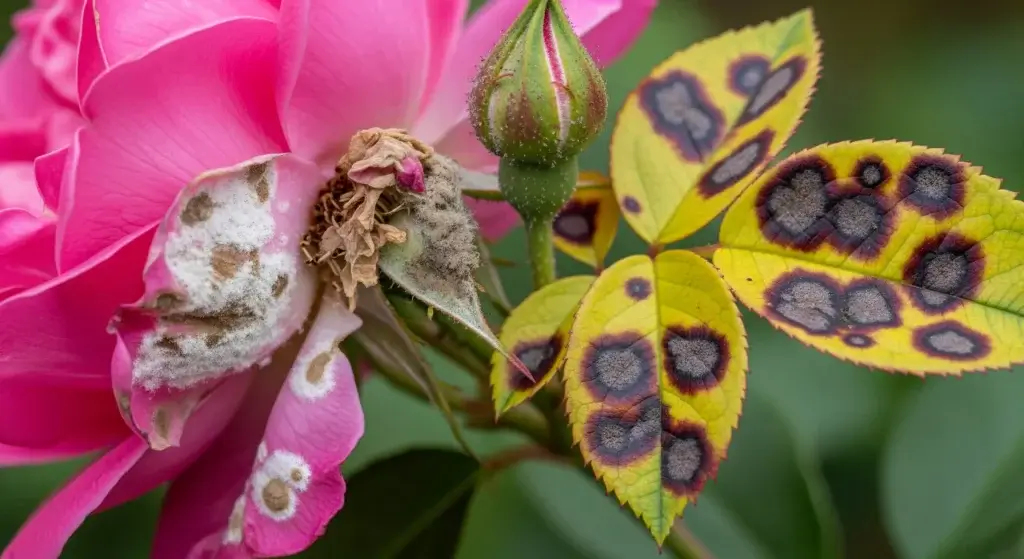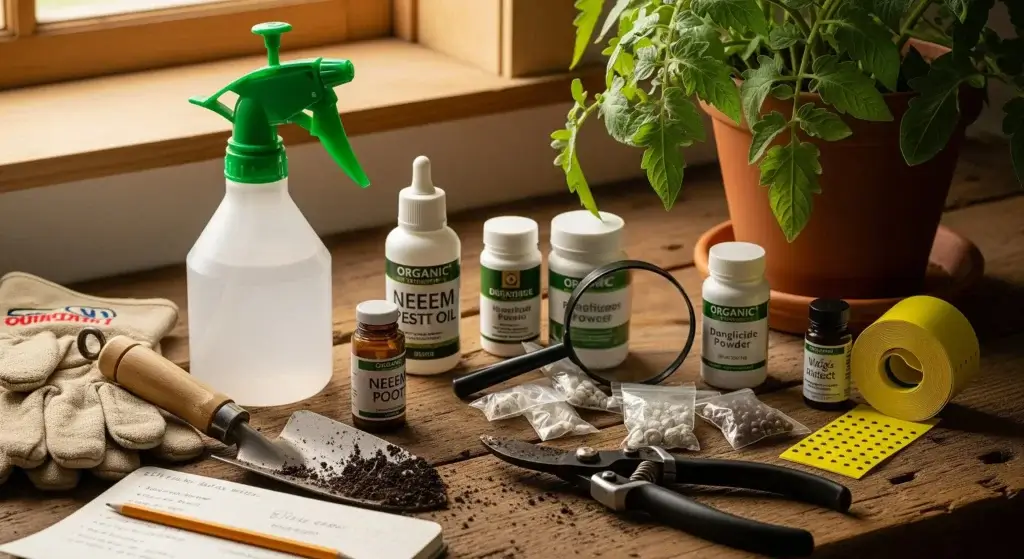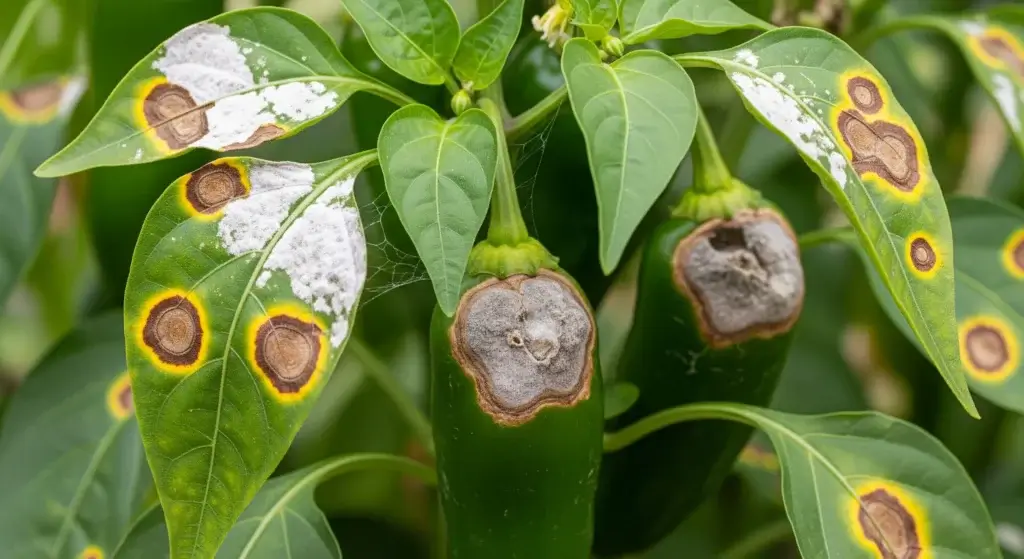
Powdery mildew is every gardener’s villain arc. One minute your plants are thriving, the next they look like someone dusted them with powdered sugar. It spreads fast, wrecks leaves, stems, even flowers, and can turn a proud garden into a sad science experiment.
Sure, you can buy fungicides—but here’s the plot twist: plain old baking soda, yes the stuff in your kitchen, actually works.
It’s cheap, eco-friendly, and surprisingly powerful. In this guide, we’re breaking down why it works, how to use it right, and how to fight back without nuking your garden.
Understanding Powdery Mildew: Know Your Enemy
Before you fight the boss, you need to know its moves. Powdery mildew isn’t one single disease—it’s a whole gang of fungi, each with its favorite plants. Roses, cucumbers, squash, ornamentals—nothing is safe.
What Causes Powdery Mildew?
This fungus loves very specific vibes:
- High humidity but dry leaves
- Chill, comfy temps (around 60–80°F / 15–27°C)
- Stale air and crowded plants
- Low light and too much shade
Here’s the annoying part: unlike other fungi, it doesn’t need wet leaves to spread. It just shows up and chooses violence. Scientists say it affects over 10,000 plant species worldwide, which explains why gardeners everywhere have beef with it.
Why Baking Soda Works: The Science Behind the Solution
This is where the kitchen chemistry glow-up happens. Baking soda isn’t magic—it’s science doing a quiet mic drop. Gardeners have been using it for decades, and researchers back it up.
That boring white powder? It messes with fungus in ways it really hates.
The Mechanism of Action
Here’s how baking soda bullies powdery mildew:
- It changes the leaf surface pH, making it too alkaline for the fungus to survive or spread
- It throws fungal cells into chaos by messing with their water balance (basically, they short-circuit)
- Used regularly, it forms a shield that stops new spores from setting up camp
Cornell researchers even tested it and found baking soda sprays can seriously slow powdery mildew—especially if you use it early. It’s not a miracle cure, but catch the fungus slipping, and baking soda absolutely puts it in its place.
How to Make Baking Soda Spray: The Perfect Recipe
Creating an effective baking soda solution requires the right proportions and additional ingredients to enhance its effectiveness and prevent plant damage.
Basic Baking Soda Spray Recipe
Ingredients:
- 1 tablespoon baking soda
- 1 gallon of water
- 1 tablespoon horticultural oil or liquid dish soap (preferably biodegradable)
- Optional: 1 tablespoon neem oil for added antifungal properties
Instructions:
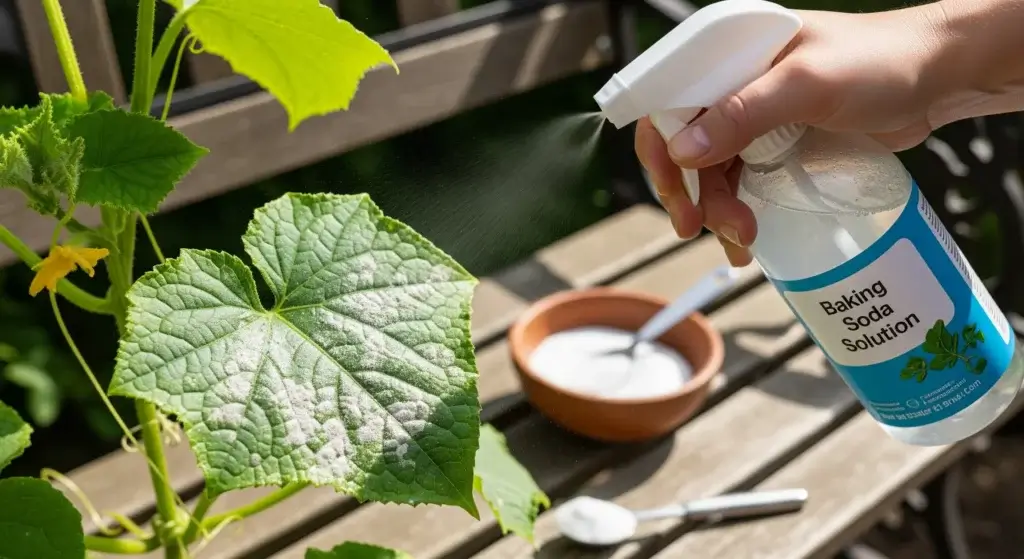
- Mix the baking soda thoroughly with warm water in a spray bottle or garden sprayer
- Add the oil or soap, which helps the solution stick to leaf surfaces and aids in spreading
- Shake well before and during application to keep ingredients mixed
- Use immediately for best results
Why Add Oil or Soap?
The oil or soap serves as a surfactant—a crucial component that many gardeners overlook.
Surfactants reduce water’s surface tension, allowing the baking soda solution to spread evenly across leaf surfaces rather than beading up and rolling off.
According to the American Phytopathological Society, surfactants can increase fungicide effectiveness by 30-50%.
Application Guidelines: How to Use Baking Soda Spray Effectively
Proper application technique can mean the difference between success and disappointment when using baking soda for powdery mildew control.
When to Apply
Timing is critical:
- Preventive application: Begin spraying when conditions favor powdery mildew development, before symptoms appear
- Early treatment: Apply at the very first signs of infection for best results
- Regular schedule: Spray every 7-14 days during the growing season, or more frequently during conditions that favor fungal growth
- Time of day: Apply in early morning or late evening when temperatures are cooler to minimize potential leaf burn
Application Technique
Follow these steps for optimal coverage:
- Test first: Always test on a small section of plant and wait 24-48 hours to check for sensitivity before treating the entire plant
- Thorough coverage: Spray all leaf surfaces, including undersides where fungi often hide
- Don’t oversaturate: Apply enough to coat leaves but not so much that it drips excessively
- Avoid flowers: Keep spray off blooms when possible to protect pollinators
- Reapply after rain: Rain will wash away the treatment, requiring reapplication
Important Precautions
While baking soda is generally safe, keep these warnings in mind:
- Avoid excessive concentration: Using too much baking soda can cause leaf burn or salt buildup in soil
- Monitor pH: Repeated applications can raise soil pH over time; test periodically
- Watch for phytotoxicity: Some plants are more sensitive; cucurbits (squash, cucumbers) may show sensitivity in hot weather
- Don’t combine with vinegar: Some gardeners mistakenly think adding vinegar helps, but it neutralizes the baking soda, rendering it ineffective
Comparing Baking Soda to Other Treatments
How does baking soda stack up against alternative powdery mildew treatments?
Baking Soda vs. Commercial Fungicides
Advantages of baking soda:
- Non-toxic and safe for organic gardening
- Inexpensive and readily available
- No harmful residues
- Safe for beneficial insects and pollinators
Limitations:
- Less potent than synthetic fungicides
- Requires more frequent applications
- Works best preventively rather than curatively
- Can cause plant damage if used improperly
Alternative Natural Remedies
Other gardeners swear by these natural treatments:
- Milk spray: Studies show milk diluted with water (40% milk, 60% water) can be as effective as baking soda
- Potassium bicarbonate: Similar to baking soda but reportedly more effective and less likely to cause plant damage
- Neem oil: Antifungal properties with the added benefit of pest control
- Sulfur: A traditional fungicide that’s organic-approved but has its own application challenges
According to research from Washington State University Extension, combining treatments—such as alternating between baking soda and milk sprays—can provide better control than using any single method alone.
Beyond Spraying: Integrated Disease Management
While baking soda spray is a valuable tool, it works best as part of a comprehensive approach to powdery mildew prevention and control.
Cultural Practices to Reduce Powdery Mildew
Implement these strategies to create an environment less favorable to fungal diseases:
1. Improve air circulation
- Space plants according to recommended guidelines
- Prune dense growth to allow airflow
- Use fans in greenhouse settings
2. Manage watering practices
- Water at the base of plants, not overhead
- Water in morning so foliage dries quickly
- Avoid creating high humidity pockets
3. Choose resistant varieties
- Select plant varieties bred for powdery mildew resistance
- Research which cultivars perform best in your region
4. Maintain plant health
- Avoid excessive nitrogen fertilization, which promotes succulent growth susceptible to infection
- Ensure proper nutrients and soil health
- Remove infected plant material promptly
5. Sanitize tools and workspace
- Clean pruning tools between cuts on infected plants
- Remove plant debris where fungi overwinter
- Rotate crops in vegetable gardens
Real-World Success Stories and Limitations
Many gardeners have successfully used baking soda to manage powdery mildew, but it’s important to have realistic expectations.
Success Stories
Gardeners report particular success with baking soda spray on:
- Roses
- Zucchini and summer squash
- Cucumbers
- Ornamental plants like phlox and bee balm
- Grape vines
The key to these success stories is consistent application beginning at the first sign of favorable conditions or infection, combined with good cultural practices.
When Baking Soda May Not Be Enough
In cases of severe infection or particularly susceptible plants, baking soda alone may not provide adequate control. Consider:
- Consulting with local extension services for region-specific recommendations
- Exploring stronger organic fungicides approved for your situation
- In extreme cases, removing heavily infected plants to prevent spread
- Focusing on prevention for the following growing season
Conclusion: Your Natural Weapon Against Powdery Mildew
Baking soda is like the low-key hero of the garden world. It’s cheap, easy to find, and way kinder to the planet than blasting your plants with chemicals. It won’t magically fix a plant that’s already totally wrecked, but used the right way, it seriously keeps powdery mildew under control.
The secret sauce is timing and consistency. Baking soda works best before the fungus goes wild, not after it’s taken over like a villain in the final act. Spray early, spray regularly, and pair it with smart habits like good airflow and healthy plants. Do that, and you’ll stop mildew before it starts flexing.