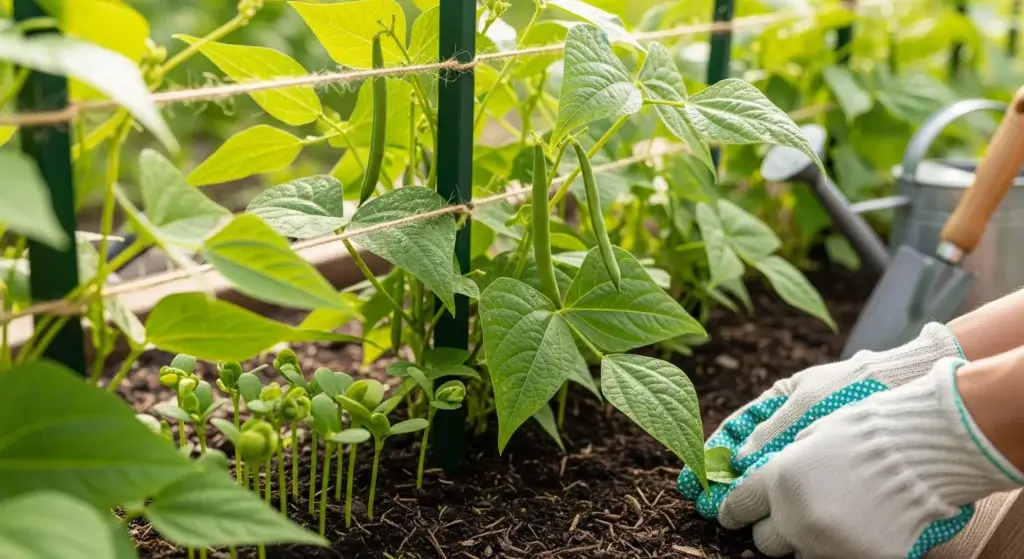
If you’re planning a veggie garden and stressing about whether bush beans need a trellis, relax—you’re good. The short answer is no.
Bush beans don’t need one. I learned this the lazy way as a teenager when I planted beans, forgot to build any support, and… they still popped off. Knowing why they work without help—and how to get the best harvest—makes gardening way less confusing and way more fun.
Understanding Bush Beans: What Makes Them Different?
Bush beans are basically the chill kids of the bean world. Instead of climbing like pole beans, they grow low and wide, topping out around 1–2 feet tall.
Think “mini bean bushes,” not vines taking over your yard. They’re naturally sturdy, so they don’t flop over or beg for a trellis.
The big difference comes down to how they grow and produce:
Bush Beans
They grow to a set size, then go all-in on producing beans over a short burst—usually 1 to 2 weeks. No support needed, no drama. Perfect if you want a fast harvest or you’re short on space (or patience).
Pole Beans
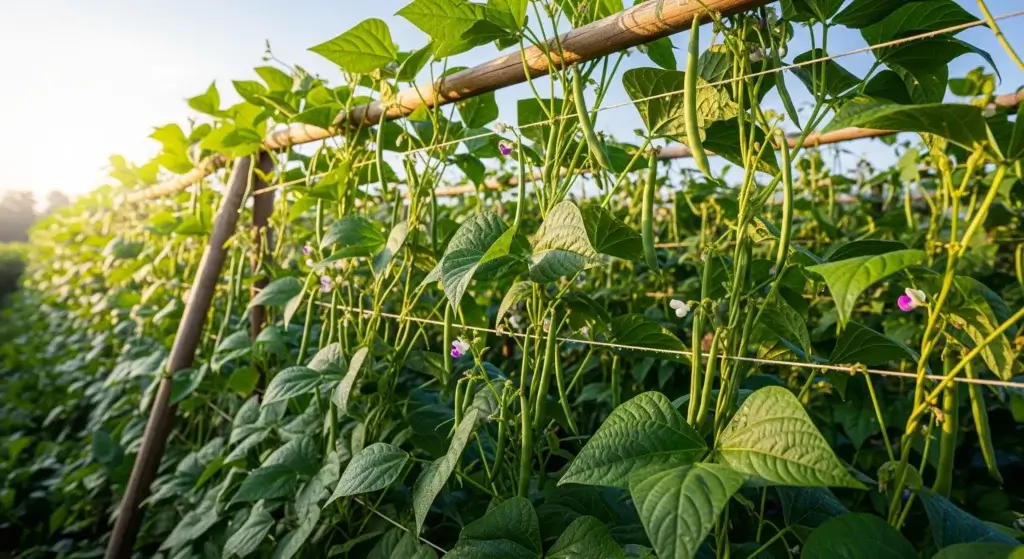
These are the overachievers. They climb 6–10 feet, need a trellis, and keep producing beans all season long. Great yield, but way more work and commitment.
Why Bush Beans Don’t Need a Trellis
Bush beans are built like little tanks. They don’t need ladders, ropes, or fancy garden engineering to survive. Here’s why they handle life just fine on their own:
Natural Growth Habit
Bush beans grow with thick, sturdy stems that hold themselves up. No flopping, no drama. The branches spread out in a way that’s basically nature saying, “I got this.” I’ve watched them stand tall after storms that flattened half my lettuce.
Determinate Growth Pattern
Bush beans grow to their full height fast, then stop and focus on making beans. They’re not trying to climb to the sky like pole beans. All their energy goes into pumping out pods, not getting taller.
Space Efficiency
These beans were made for tight spaces. Small gardens, raised beds, even containers—they thrive there. No trellis means more room for other plants and less stuff to build or trip over.
Easier Maintenance
No trellis means less work. Fewer materials, less setup, fewer things to fix when something snaps or falls over. Plant them, water them, harvest beans. That’s the vibe.
When You Might Consider Supporting Bush Beans
Even though bush beans don’t need support, there are times when giving them a little help is smart:
Heavy Bean Loads
Sometimes a plant goes absolutely feral with productivity. When it’s loaded with pods, the stems might lean. A short stake or small cage can keep it from face-planting into the soil.
Wet Conditions
If your garden turns into a mud pit after rain, lifting the pods slightly off the ground helps prevent rot and disease. Think of it as keeping your beans’ shoes clean.
Wind Protection
If your garden gets hit with strong winds, young plants can get knocked around. A bit of support keeps them upright during rough weather.
Pest Management
Keeping leaves and pods off the ground makes life harder for pests like slugs. Less contact with soil = healthier plants.
If you do add support, keep it low-key. Short stakes (about 18–24 inches) or small tomato cages are more than enough. No need to overbuild—these plants are tougher than they look.
Optimal Growing Conditions for Bush Beans
If you want bush beans to go absolutely wild—without any trellis drama—this is where you lock in the basics. Get these right, and the plants do the rest.
Soil Preparation
Bush beans love soil that drains well and isn’t rock-hard. Aim for slightly acidic to neutral soil (around pH 6.0–7.0). Mix in compost before planting—it’s like giving your beans a pre-game meal.
Fun fact: beans actually fix nitrogen, meaning they help make your soil better over time. Free upgrade. Nature is generous like that.
Sunlight Requirements
Beans are sun junkies. They need at least 6–8 hours of direct sunlight every day. Less sun = weak stems and sad bean output. More sun = strong plants and pods for days.
Spacing Guidelines
Give them breathing room. Plant seeds about 2–4 inches apart, with rows 18–24 inches apart. Crowded beans are cranky beans. Good spacing means better airflow, fewer diseases, and plants that grow to their full potential.
Watering Practices
Consistency is the game. Bush beans want about 1–1.5 inches of water per week, especially when they’re flowering and making pods. Water at the base, early in the day. Wet leaves at night are basically an open invite for disease.
Temperature Considerations
Bush beans hate the cold. Don’t plant until frost is completely gone and the soil is at least 60°F. They’re happiest when daytime temps sit between 70°F and 85°F—warm, comfy, and ready to produce like champs.
Popular Bush Bean Varieties to Grow
Selecting the right bush bean variety can impact your gardening success. Here are some reliable options recommended by agricultural extension services:
- Blue Lake Bush: A classic variety producing tender, flavorful green beans perfect for fresh eating or freezing
- Provider: An early-maturing variety that’s particularly cold-tolerant, ideal for shorter growing seasons
- Contender: A disease-resistant variety known for its productivity and adaptability to various growing conditions
- Royal Burgundy: A purple-podded variety that turns green when cooked and makes harvesting easier due to its distinctive color
- Bush Romano: An Italian flat-pod variety with excellent flavor for fresh eating and cooking
Succession Planting for Continuous Harvest
Since bush beans produce their crop over a relatively short period (typically 7 to 14 days), many gardeners practice succession planting to extend their harvest season.
The University of Illinois Extension recommends planting new crops every 2 to 3 weeks throughout the growing season until about 8 weeks before the first expected fall frost.
This approach offers several advantages:
- Provides fresh beans continuously rather than all at once
- Reduces waste by preventing overwhelming harvests
- Allows you to experiment with different varieties throughout the season
- Minimizes the impact of pests or diseases on your total harvest
Harvesting and Maintaining Bush Beans
Proper harvesting techniques and maintenance practices ensure healthy, productive plants:
- Harvest timing: Pick bush beans when pods are firm, crisp, and full-sized but before seeds inside become prominent. Most varieties are ready to harvest 50 to 60 days after planting.
- Harvesting method: Use both hands when picking—hold the plant stem with one hand while gently pulling the pod with the other to avoid damaging the plant.
- Plant maintenance: Remove any diseased or damaged foliage promptly to prevent disease spread. Mulch around plants with 2 to 3 inches of organic material.
- Pest monitoring: Watch for common bean pests including Mexican bean beetles, aphids, and spider mites. Early detection and intervention prevent significant damage.
Common Mistakes to Avoid
Even though bush beans are relatively low-maintenance, several common errors can reduce your harvest:
- Over-fertilizing: Excessive nitrogen promotes lush foliage at the expense of bean production
- Planting too early: Cold, wet soil can cause seeds to rot before germinating
- Overcrowding: Dense planting reduces air circulation and increases disease risk
- Working wet plants: Handling plants when foliage is wet spreads bacterial and fungal diseases
- Inconsistent watering: Alternating between drought and heavy watering can cause blossom drop and reduced yields
The Bottom Line: Bush Beans and Trellises
Bush beans are built to stand on their own. They’re compact, sturdy, and don’t need trellises, poles, or any fancy setup. Plant them, give them space, and they’ll handle the rest. That’s their whole personality.
Sure, if a plant goes beast mode with pods or the weather gets wild, a little support can help—but most of the time? Totally unnecessary. Good soil, decent spacing, regular watering. Done.
Whether you’re brand new to gardening or just don’t want extra work, bush beans are an easy win. They’re productive, low-maintenance, and kind of impossible to mess up.