Whether you’ve been gardening forever or you just planted your first sad little basil, here’s the truth: soil choice matters more than people admit. I learned this the hard way after stuffing garden soil into a pot and wondering why my plant looked like it gave up on life.
Soil isn’t just soil, and using the wrong one can absolutely wreck your plants.

Understanding the Fundamental Differences
Garden soil and potting soil are built for totally different jobs. They might look similar in the bag, but under the hood they’re not even close. Think hiking boots versus running shoes—same category, very different use.
Garden Soil
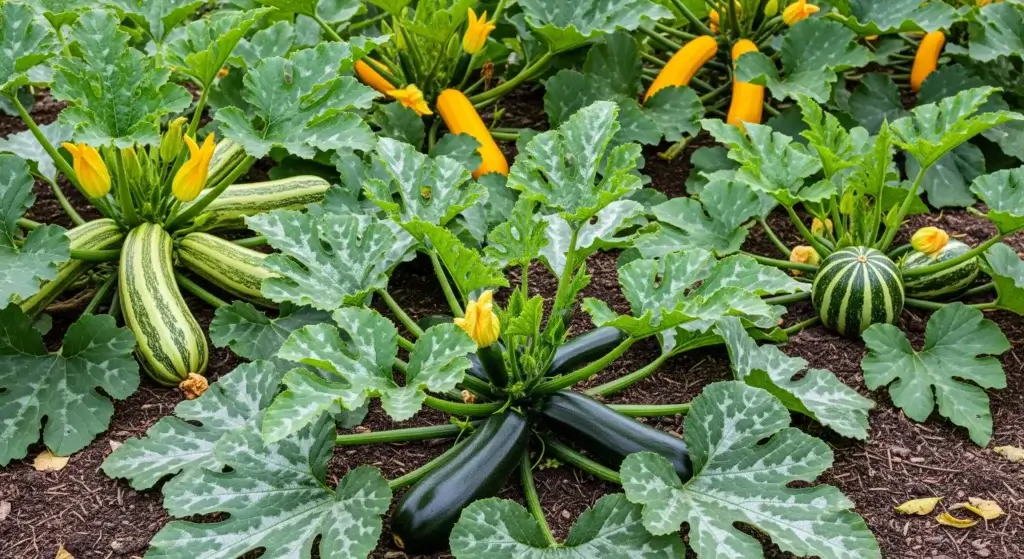
Garden soil (aka topsoil or in-ground soil) is meant to live outside, mixed into the earth. It’s heavier and more compact, because outdoor plants have room to stretch their roots deep and wide.
Garden soil improves what’s already in your yard by adding organic matter and nutrients, helping plants grow strong over time.
Potting Soil
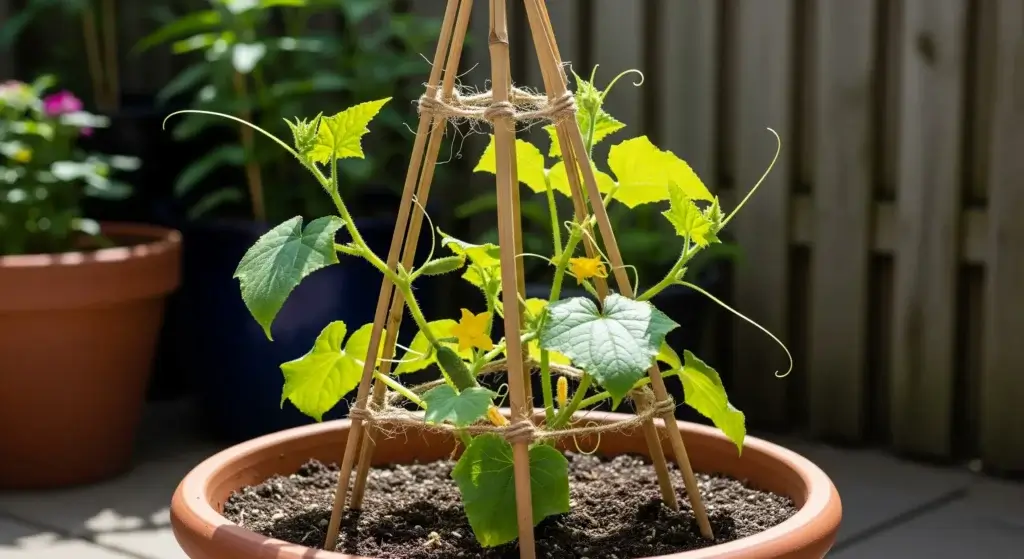
Potting soil—better called potting mix—is made for containers, where roots are trapped in a tiny apartment instead of a backyard. It’s light, fluffy, and drains fast so roots don’t drown.
Most mixes don’t even contain real soil; they use things like peat moss, coco coir, and perlite to keep air flowing. Your potted plants breathe through this stuff, so yeah, it’s kind of a big deal.
The Science Behind Potting Soil: Why Containers Need Special Treatment
Growing plants in pots is like raising a plant in a studio apartment—no backyard, no escape. In the ground, roots can roam freely, water drains naturally, and air sneaks in on its own. In a container, none of that happens unless you help.
Potting soil fixes this by being light and airy. Those white popcorn-looking bits (perlite) and spongy materials like peat moss or coco coir keep water moving while still holding enough moisture. That balance is everything.
According to research, bad drainage is basically a death sentence for potted plants—most container failures come down to soggy roots, not bad vibes.
Garden Soil Composition: Building Better Outdoor Growing Spaces
Garden soil is built for the outdoors, where being heavy is a good thing. It’s usually a mix of real topsoil and compost, designed to improve what’s already in your yard. The weight helps it stay put during rain and wind, and it holds moisture longer so you’re not watering nonstop.
It’s also customizable. Got clay that turns into brick when dry? There’s a garden soil for that. Got sand that drains like a sieve? There’s a fix for that too.
Garden soil works with nature, not against it—and that’s why it belongs in the ground, not in a pot.
When to Use Garden Soil: Best Applications
Garden soil excels in several specific applications where its properties provide maximum benefit:
- In-ground garden beds: When preparing new garden beds or refreshing existing ones, mixing garden soil with your native earth improves texture, drainage, and nutrient content.
- Raised garden beds: For raised bed construction, garden soil mixed with compost creates an ideal growing medium.
- Landscape projects: When leveling areas, filling in low spots, or creating berms and mounds, garden soil provides the mass and stability needed for these projects.
- Amending poor native soil: If soil testing reveals deficiencies in your garden’s native earth, quality garden soil can help rebuild soil structure and fertility over time.
When to Use Potting Soil: Container Gardening Success
Potting soil is essential for any situation where plants are grown in containers or limited root spaces:
- Container plants and planters: Any plant grown in a pot, whether indoors or outdoors, needs potting soil. This includes houseplants, patio containers, window boxes, and hanging baskets.
- Seed starting: Starting seeds requires a fine-textured, sterile medium that provides consistent moisture without becoming waterlogged.
- Indoor plants: Houseplants absolutely require potting soil because indoor containers lack the natural drainage that exists in outdoor ground conditions.
- Transplanting seedlings: When moving seedlings from seed trays to larger containers, potting soil provides the gentle, well-aerated environment young roots need to establish themselves.
The Cost Factor: Understanding Value and Long-Term Investment
Garden soil usually looks cheaper per cubic foot because it’s sold in bulk for big jobs. Potting soil costs more — perlite, vermiculite, peat/coir aren’t cheap — but you need far less of it. So for a specific project the prices can even out.
Pro move: buy the right soil for the job. I once shoved cheap garden soil in a planter to “save cash” and replaced three dead herbs later — not worth it. Spend a bit more where it matters and you’ll avoid wasted plants and time.
Common Mistakes: What Not to Do
- Using garden soil in containers: Big oof. It compacts, holds water, and drowns roots.
- Using potting soil in garden beds: Wasteful. It breaks down fast and doesn’t give beds the structure they need.
- Assuming all products are the same: Labels lie. Read them — some “garden soil” is just plain topsoil; some “potting soil” actually has real soil in it.
- Neglecting soil refreshment: Both soils get tired. Repot container plants every 1–2 years. Add compost or fresh garden soil to beds yearly.
DIY Blends: Creating Custom Soil Mixes
If you want full control and bragging rights, DIY soil mixes are where it’s at. Once you understand the ingredients, you’re basically cooking for plants—and yes, they’re picky eaters.
A simple potting mix is easy: equal parts peat moss or coco coir, perlite or vermiculite, and compost. That combo drains well, holds water, and feeds roots without smothering them. I tweak it all the time—more perlite for succulents that hate wet feet, more coir for plants that drink like it’s their job.
For raised beds, there’s the famous Mel’s Mix: equal parts vermiculite, peat moss, and compost. It’s not the cheapest option, but it grows veggies like they’re on cheat mode. When plants explode with growth, you forget what it cost real quick.
Specialized Soils: Matching Medium to Plant Needs
Beyond the basic categories of garden soil and potting soil, specialized formulations address specific plant requirements:
- Cactus and succulent mix: These plants need extremely well-draining soil with higher sand or perlite content and lower organic matter.
- Orchid mix: Orchids require a chunky, bark-based medium that provides air circulation around roots while retaining minimal moisture.
- Acid-loving plant soil: Blueberries, azaleas, and rhododendrons thrive in acidic soil with pH levels between 4.5 and 6.0, requiring specialized formulations.
- Moisture control potting soil: These products contain water-absorbing crystals that help prevent both overwatering and underwatering, useful for forgetful gardeners or vacation periods.
Making Your Decision: A Practical Framework
When deciding between garden soil and potting soil, ask yourself these key questions:
- Where will the plants be growing? If in the ground or raised beds, use garden soil. If in containers, use potting soil.
- What kind of drainage exists? Containers need the superior drainage only potting soil provides, while in-ground spaces can handle denser garden soil.
- What is your budget for soil volume? Large projects benefit from the economy of garden soil, while container projects need the specialized properties of potting soil despite higher per-unit costs.
- What are your plants’ specific needs? Research whether your chosen plants have special soil requirements that might necessitate specialized formulations.
Conclusion: Success Starts with the Right Foundation
This isn’t about which soil is “better.” It’s about not setting your plants up to fail. Garden soil is for the ground, where roots can spread and dig in. Potting soil is for containers, where roots are trapped and need air and drainage to survive. Mix that up, and plants suffer—ask me how I learned that one.
Soil isn’t just dirt; it’s a living system doing a ton of work behind the scenes. When you choose the right one, plants grow faster, look better, and actually give you food or flowers instead of disappointment.
Remember the golden rule and you’ll be fine: pots get potting soil, ground gets garden soil. Follow that, and you’re already ahead of most beginners.