There’s nothing quite like yanking a perfect carrot or beet out of the ground and thinking, yeah, I made this happen.
If your garden soil is basically concrete with rocks mixed in (been there), raised beds are the cheat code—especially for root veggies that need soft, deep soil to grow straight instead of looking like mutant forks.

Why Root Vegetables Thrive in Raised Beds
Root veggies are low-key divas. Treat them right, they’re amazing. Treat them wrong, they grow like tangled headphones. Raised beds give them exactly what they want.
Deep, Uncompacted Soil is Essential
Roots want to grow straight down, not fight rocks and concrete-hard dirt. In the ground, they hit resistance and go full chaos mode—forked carrots, stubby beets, disappointment.
Raised beds stay loose because no one steps on them, so roots can stretch out and actually look like carrots.
Temperature Advantages Matter Significantly
Raised beds warm up earlier in spring—like giving your veggies a head start while everyone else is still asleep. Warmer soil means you can plant sooner and harvest faster. Instant gratification? Yes please.
Drainage Makes the Difference
Root veggies hate soggy soil. Too much water and they rot. Raised beds drain extra water but still hold enough moisture, which is basically the Goldilocks zone for roots: not too wet, not too dry, just right.
- Read Also: A Step-by-Step Guide: DIY Self-Watering Raised Garden Bed
- Read Also: Save Water, Grow More! DIY Drip Irrigation for Raised Beds
Designing Your Raised Bed: Size and Depth Considerations
Before you grab a hammer and go full DIY mode, pause. A little planning now saves you years of “why are my carrots weird?” later. Trust me—I learned this the hard way.
Depth is The Critical Factor
Depth is everything. Shallow beds are fine for lettuce, but root veggies want room to go deep. Six inches won’t cut it.
Aim for 12–18 inches at minimum so carrots and parsnips can grow long and straight instead of short and sad. If you go 24 inches, you’re basically giving them a luxury apartment.
Width Should Prioritize Accessibility
Keep your bed no wider than 4 feet. If you can’t reach the middle without stepping in, you’ll end up compacting the soil—and that’s a root veggie nightmare.
Bonus: your back will thank you when you’re planting or pulling out monster carrots.
Length Can Be Flexible
Length is chill. Make it fit your space. 8–12 feet is a solid sweet spot. Just know that super-long beds need extra support, or they’ll start bowing like a bad Jenga tower.
Location Selection Matters
Sun is non-negotiable. Pick a spot with 6–8 hours of direct sunlight every day. Good airflow helps keep plants healthy, and a level spot prevents water from pooling on one end and turning your carrots into swamp creatures.
Materials: Choosing the Right Wood and Supplies
Your raised bed is basically your veggies’ house. Build it with sketchy materials, and you’re asking for trouble later.
Cedar and Redwood
These woods are the MVPs. They naturally resist rot, last 10–20 years, and don’t need chemical treatments. Cedar is usually cheaper and easier to find, which is why most gardeners swear by it.
Untreated Pine or Fir
Short on cash? Pine or fir works, but don’t expect forever—3–5 years max. And hard rule: skip pressure-treated wood. Even the “safe” stuff can leak chemicals into your soil. Your carrots did not sign up for that.
Consider Composite Materials
If you want set-it-and-forget-it vibes, composite or recycled plastic boards last 20+ years and never rot. Pricey upfront, zero drama later.
Avoid Railroad Ties, Old Pallets, and Treated Wood
Just don’t. Railroad ties are toxic, pallets are a chemical mystery box, and old treated wood can contain nasty stuff like arsenic. Great for a bonfire story—terrible for food.
Additional Supplies
- Corner brackets or metal corner posts for stability
- Galvanized or stainless steel screws (3-4 inches long)
- Hardware cloth or chicken wire for the bottom (optional but helpful for deterring burrowing pests)
- Landscape fabric (optional, to prevent weeds while allowing drainage)
Step-by-Step Construction Guide
Good news: you don’t need to be a pro builder or own a million tools. This is a solid weekend project—music on, phone in your pocket, feeling unstoppable by Sunday afternoon.
Step 1: Cut Your Lumber to Size
For a classic 4×8 bed, cut two boards at 8 feet and two at 4 feet for each layer. Want an 18-inch-deep bed (your carrots do)? Stack three 2×6 boards or mix two 2×8s and one 2×6. More depth = happier roots. Simple math, big payoff.
Step 2: Prepare Your Site
Clear out grass, weeds, and random junk. Get the ground mostly level—perfection not required. Some folks lay down cardboard or newspaper to block weeds. It’s optional, but oddly satisfying.
Step 3: Assemble The First Layer
Lay the boards into a rectangle and screw the corners together. Pre-drill holes unless you enjoy splitting wood and regret. Corner brackets work too if you want extra structure and fewer mistakes.
Step 4: Stack and Secure Additional Layers
Once the first layer is placed, stack the next ones on top. Stagger the corners like bricks—it’s stronger and just looks cooler. Screw each layer into the one below so the whole thing acts like one solid unit.
Step 5: Add Corner Reinforcement
Deep beds get heavy once filled. Soil pushes outward like it’s trying to escape. Add metal posts or extra wood in the corners to stop the sides from bowing out over time.
Step 6: Install Pest Protection if Desired
Got burrowing critters? Attach hardware cloth to the bottom before adding soil. Staple or screw it in place. This step saves you from the heartbreak of discovering a gopher ate your carrots before you did.
Step 7: Create a Level Surface
Check that your bed is level. If one corner is off, dig a little or shim it until the top edges are even. Your plants don’t care—but your brain absolutely will.
Filling Your Bed: The Perfect Soil Mix for Root Vegetables
The soil you choose determines your success more than any other factor. Root vegetables demand loose, friable soil rich in organic matter but not overly heavy or dense.
The Ideal Blend
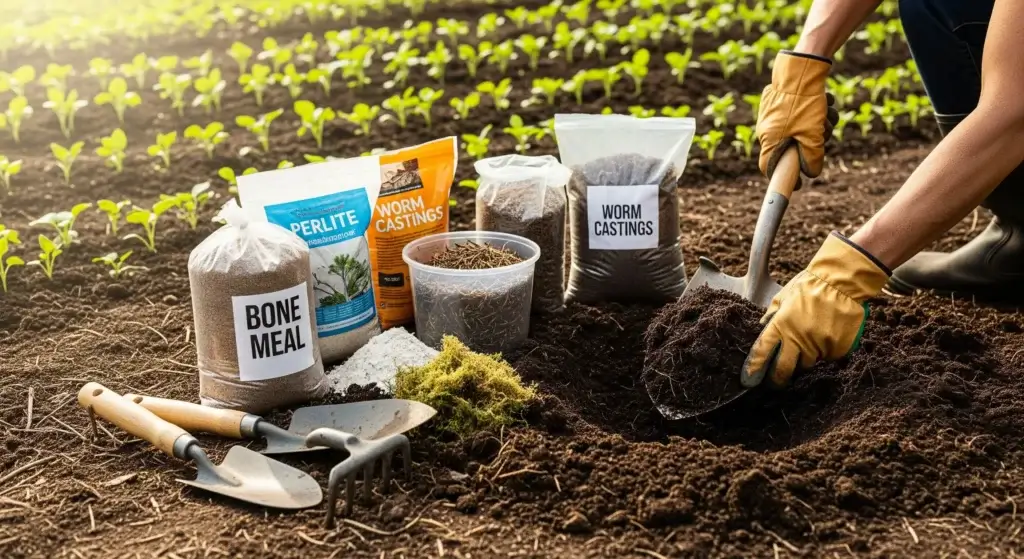
- Topsoil or garden soil (40%): Provides structure and minerals. Look for screened topsoil free of rocks and debris.
- Compost (40%): Adds nutrients and improves texture. Well-aged compost from municipal sources, your own pile, or bagged products all work well.
- Drainage material (20%): Coarse vermiculite, perlite, or coconut coir keeps soil light and prevents compaction.
Avoid Using Garden Soil Alone
I know it’s tempting to shovel dirt from your yard and call it a day—don’t. In raised beds, plain garden soil turns into a brick over time.
Also skip potting mix. It’s way too fluffy and dries out fast, like a sponge in the sun.
Calculate Volume Carefully
Soil adds up fast. A 4×8 bed at 18 inches deep needs 48 cubic feet of soil—almost two cubic yards. That’s a lot. For beds this big, buying soil in bulk is cheaper and saves you from hauling a million bags like a gym workout you didn’t sign up for.
Add Nutrients Before Planting
Before anything goes in the ground, mix compost or organic fertilizer into the top 6 inches.
Root veggies don’t want tons of nitrogen—they want phosphorus and potassium so they can grow strong, chunky roots. Feed the soil now, and it’ll pay you back later.
Best Root Vegetables for Raised Beds
Once your bed is built, this is where the fun starts. Raised beds are basically a VIP lounge for root veggies—some absolutely thrive here.
Carrots
This is where carrots finally live their best life. No rocks, no hard dirt, no weird forked shapes. In deep beds, varieties like ‘Nantes’ and ‘Imperator’ grow long, straight, and actually look store-worthy. Pulling one out clean is a top-tier dopamine hit.
Beets
Beets love good drainage, and raised beds deliver. You get tasty roots and edible greens—two wins, one plant. Space them 2–3 inches apart, and they’ll bulk up nicely without fighting each other.
Radishes
These are the instant noodles of gardening. 25–30 days and boom—harvest time. Plant them between slower crops or use them to mark rows where carrots are taking forever to sprout.
Parsnips
Parsnips are slow, but worth it. They take 100–120 days, grow long, and need deep soil. Give them 18+ inches, and they’ll reward you with a sweet, nutty flavor that feels way fancier than it sounds.
Turnips and Rutabagas
Totally underrated. These do great in raised beds and prefer cooler weather, making them perfect for spring and fall when other crops are being dramatic.
Maintaining Your Raised Bed for Long-Term Success
Build it once, maintain it right, and it’ll keep feeding you for years.
Water Consistently
Raised beds dry out faster, especially in heat. Water deeply, not constantly. Inconsistent watering leads to cracked, split roots—and nobody wants that.
Rotate Your Crops
Don’t grow the same stuff in the same spot every year. It invites pests and drains nutrients. Rotate root veggies with leafy greens or legumes to keep the soil happy.
Replenish Soil Each Season
Soil settles. Nutrients disappear. Each spring, add 1–2 inches of compost and mix it into the top layer. Think of it as recharging your bed.
Monitor For Pests and Diseases
Raised beds have fewer issues, but stay alert for carrot flies, maggots, and wireworms. Floating row covers are an easy, low-stress defense.
Keep Edges Maintained
Once a year, check screws, boards, and corners. Tighten what’s loose, replace what’s damaged. Five minutes now saves a full rebuild later.
- Read Also: DIY Raised Garden Bed with Legs: The Ultimate Guide
- Read Also: DIY Raised Flower Beds: Building Beautiful Garden Spaces
Conclusion: Reaping the Rewards of Your DIY Raised Bed
Building a raised bed for root veggies is a total game-changer. One weekend of work turns years of sad, twisty carrots into straight, chunky, brag-worthy harvests. Seriously—it’s the difference between struggling and actually winning at gardening.
By nailing the depth, picking the right materials, and mixing good soil, you’ve stacked the odds in your favor. You’ll still learn every season (because plants love to humble us), but now you’re learning from success, not frustration.
The best part? A raised bed gets better with age. Add compost each year and the soil levels up, packed with life and nutrients. What you build once keeps paying you back season after season.