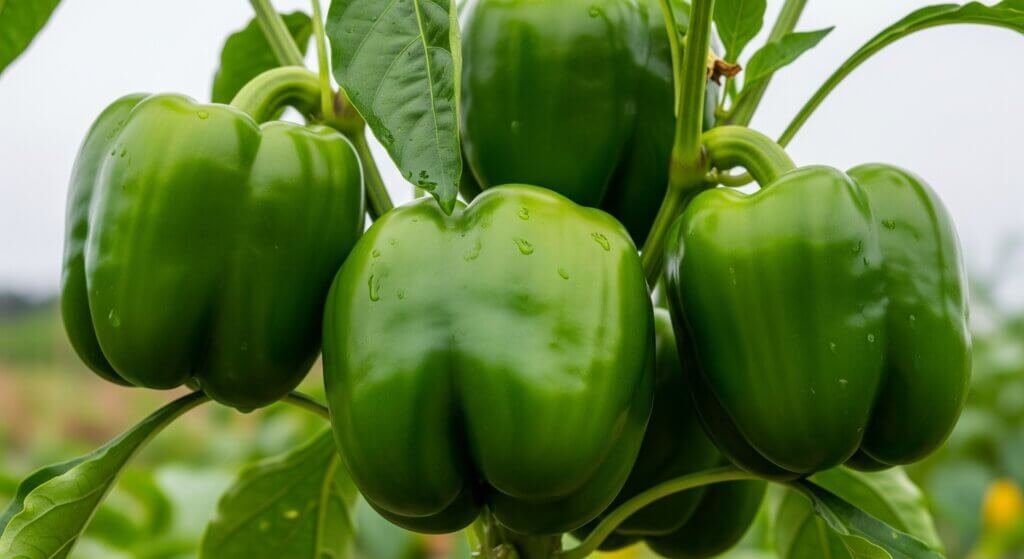
Nothing tests a gardener’s patience more than pepper plants stacked with green fruits that just won’t turn color before the season ends.
Whether it’s bells, jalapeños, or fiery habaneros, knowing what makes peppers ripen is the key difference between a brag-worthy harvest and a sad pile of stubborn green pods.
Temperature: The Critical Factor in Pepper Ripening
Optimal Temperature Range
If peppers do possess a comfort zone, it’d be 70–85°F (21–29°C).
That is when they develop rapidly, put on those fruits, and begin displaying their colors.
Even a consistent 65°F (18°C) and above can get bell peppers rolling into ripeness much faster than with cold temperatures.
Imagine it like you wrapped up in your favorite hoodie—not too hot, not too cold, just right.
When Temperatures Drop
The most potent pepper-based mood-killer is Cold.
If the temperature falls below 65°F during the day or 50°C at night, the plants will sulk in most cases.
Leaves will curl, fruits will stallop and even pepper can be stuck in green for days.
Solutions for Temperature Management
- Season Extension: Toss a light cover over your plants, and you can squeeze out an extra week or two of ripening before fall fully crashes the party.
- Protective Coverings: If it’s dropping near 40°F, give your peppers a blanket—frost cloth, greenhouse film, even overturned buckets work to trap some warmth overnight.
- Indoor Transition: Got peppers in pots? Bring them inside when it dips under 55°F (13°C). They’ll thank you by actually finishing what they started.
- Provide Shade: Peppers hate extremes both ways. If the thermometer spikes over 90°F, give them some shade so they don’t freak out and slam the brakes on ripening.
Watering and Soil Conditions
Maintaining Proper Moisture Levels
One of the main reasons why peppers don’t ripen is lack of consistent watering.
Keep the soil moist, not in a swamp or sand dunes.
Keep within an inch of water each week to avoid blossoms and oddly shaped fruits. In a way, roots are not fond of mood swings.
The plant will stop investing in fruit finishing if you water less frequently.
Soil Requirements
- Well-draining soil that still holds enough moisture so roots don’t thirst or drown.
- Soil temperature around 65°F (18°C) or warmer for happy roots.
- pH between 6.0–6.8 so nutrients actually show up for the party.
- Rich in organic matter and generally fertile — peppers are needy, but in a productive way.
Watering Best Practices
- Water deeply and less often so roots grow down instead of panicking at the surface.
- Skip overhead watering — wet leaves invite disease.
- Pour water at the base of the plant to avoid splashing spores onto leaves.
- Use mulch to stabilize soil moisture and temperature — mulch is basically a cozy blanket for your pepper roots.
Light and Growing Conditions
Sunlight Requirements
Peppers are complete sun junkies. If you desire them to color up right, put them where they receive 6–8 hours of direct sun each and every day.
No exceptions. Put them in the shade and you’ll be waiting indefinitely for color, and the fruit won’t have the same flavor.
It’s like charging your phone—without sufficient sun, peppers just do not have the juice to get the job done.
Spacing and Air Circulation
Give your peppers room to breathe. Crowded plants block each other’s light and end up with patchy, uneven ripening.
Plus, cramped conditions invite diseases that can ruin your harvest.
Timing and Harvest Strategy
Understanding Ripening Timelines
Not all peppers are the same.
Bell peppers tend to turn color at 70–80 days, while the hot gang—habaneros, for example—are 90–120 days or longer.
Having a timeline for your variety keeps you from panicking when your jalapeños are still green two months later. Patience is literally pepper game.
Strategic Harvesting
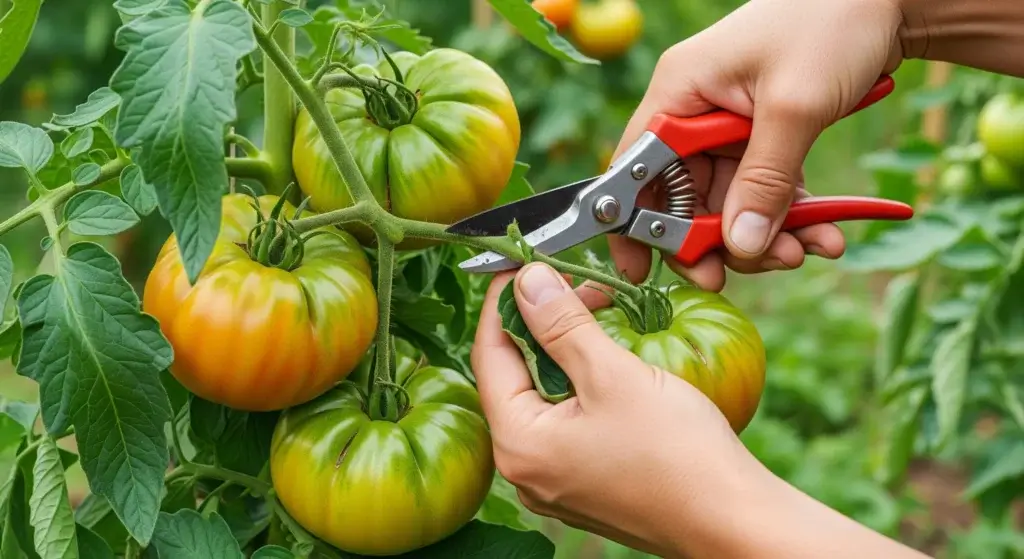
Sometimes you’ve gotta be smart and pick a few peppers green. It lightens the plant’s workload and lets it push energy into ripening the rest. This trick comes in clutch when:
- The season’s almost over.
- Your plants are overloaded with fruit.
- The weather’s turning sketchy.
Nutritional Support for Ripening
Fertilization During Ripening
After peppers begin to ripen, they have varying nutrient needs.
Too much nitrogen then is like filling them up with bottomless energy drinks—will produce zillions of leaves but no fruit at all.
Cut back on the nitrogen and bring in the phosphorus and potassium instead. That’s the good stuff that pushes the fruit and gets peppers to turn color at last.
Micronutrient Considerations
Calcium is a silent champion. Take away the calcium, and you’re stuck with blossom end rot—blech black spots that destroy your peppers before they even have a chance to ripen.
Bring in the calcium by maintaining soil pH and watering at a steady level.
Believe me, there’s nothing worse than seeing a great pepper crack at the bottom because you didn’t know this little trick.
Variety-Specific Considerations
Sweet vs. Hot Peppers
Sweet peppers are usually faster and more predictable—they’ll color up like clockwork.
Hot peppers? Different story.
They take their sweet time, need steadier conditions, and might test your patience even when you’re doing everything right.
Growing habaneros is basically a masterclass in delayed gratification.
Hybrid vs. Heirloom Varieties
Hybrids are made to perform—more dependable ripening, fewer dramatics.
Heirlooms, though? They’ve got personality.
They can be slower or need a little extra care, but the payoff is unique flavor and personality.
It’s kind of like the difference between factory-produced sneakers and an individually made pair—one’s practical, the other’s a bit finicky but way cooler.
Creating the Perfect Ripening Environment
Greenhouse Growing Advantages
Greenhouses are basically cheat codes for peppers.
They stretch the growing season and keep conditions stable, which peppers absolutely love. If you’re outdoors, you can still hack the system with season extenders like:
- Row covers to keep plants cozy.
- Cold frames that act like mini greenhouses.
- High tunnels for a longer harvest window.
Container Growing Benefits
Peppers in containers? Total game-changer. You control the soil, the water, and even the neighborhood.
Too cold outside? Drag them indoors. Too hot in the sun? Slide them into partial shade.
It’s like playing SimCity with your plants—you get to fine-tune everything.
Troubleshooting Common Problems
When Peppers Stay Green Too Long
If your peppers are stuck in green mode forever, check these things:
- Temps—are they too chilly? Throw on some protection.
- Watering—keep it steady, not random.
- Sunlight—make sure they’re getting enough hours of direct light.
- Overload—remove some fruits so the plant can focus on the rest.
- Pests/disease—always worth a check.
Uneven Ripening Issues
Ever see peppers with weird half-red, half-green patches? That’s usually from stress. Causes include:
- Watering that’s all over the place.
- Temperature swings.
- Not enough sunlight getting into the plant.
- Disease or pests draining the plant’s energy.
Conclusion
The ripening of peppers is not limited to just one factor, but also depends on temperature, water, light, and maintaining plant health.
If you want those green pods to turn red, yellow or orange, then it’s all about detail, not just how much they weigh.
The trick is creating stable conditions and being ready to pivot when the weather throws curveballs.
Short season? Cold nights? No problem—use the hacks in this guide and you’ll still get peppers that pop with flavor and color.